
Across Uganda, aluminium saucepans are a familiar sight in school kitchens. They are relatively affordable, lightweight and readily available, making them a practical choice for institutions preparing meals for hundreds of children every day. However, their widespread use also raises important questions about durability and food safety. When aluminium cookware is heavily worn, scratched or of poor manufacturing quality, small amounts of aluminium can migrate into food, particularly when cooking acidic foods such as tomatoes or other acidic sauces. While occasional exposure to small amounts of aluminium through food is generally not considered a major health risk, reducing unnecessary dietary exposure is a sensible precaution—especially in schools, where the same cookware is used intensively every day.
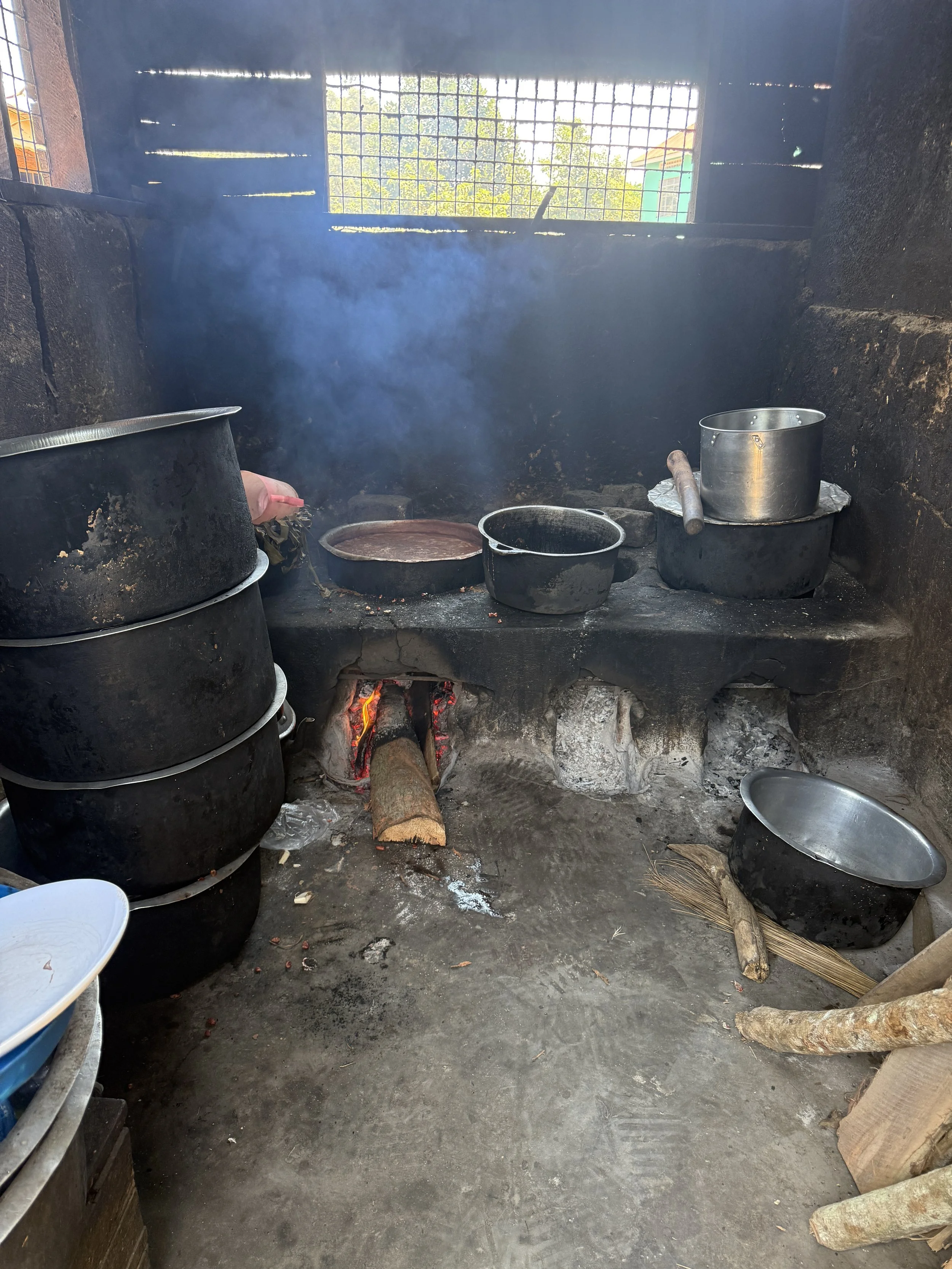
The concern is often greater with the large, thin or locally manufactured aluminium saucepans commonly exposed to the intense heat of traditional school cooking methods. High temperatures, prolonged cooking and the physical wear caused by constant stirring and cleaning can gradually damage cookware and shorten its useful life. This is very common when posho (maize meal) is prepared, damaging the bottom of the saucepan.
At the same time, inefficient wood-fired cooking creates uneven or excessively intense heat around the pot, while smoke and soot make the kitchen environment more challenging for cooks. For schools, therefore, the issue is not simply about choosing a saucepan; it is about creating a safer and more durable cooking system that protects both the people preparing the food and the children eating it.
This is where Simoshi’s work in transforming institutional cooking becomes particularly relevant. By supporting schools to adopt improved cooking technologies and more efficient kitchen systems, Simoshi has an opportunity to look beyond fuel savings and carbon reductions and consider the entire cooking environment—including the quality and suitability of cookware. Better-controlled heat, more efficient stoves and appropriately selected, durable cooking stainless steel saucepans helps schools build kitchens that are safer, cleaner and more sustainable.