1. Literal meaning
It refers to improving cooking conditions so that women (who, in many societies, do most of the cooking) can prepare food without being exposed to harmful smoke from traditional stoves or open fires.
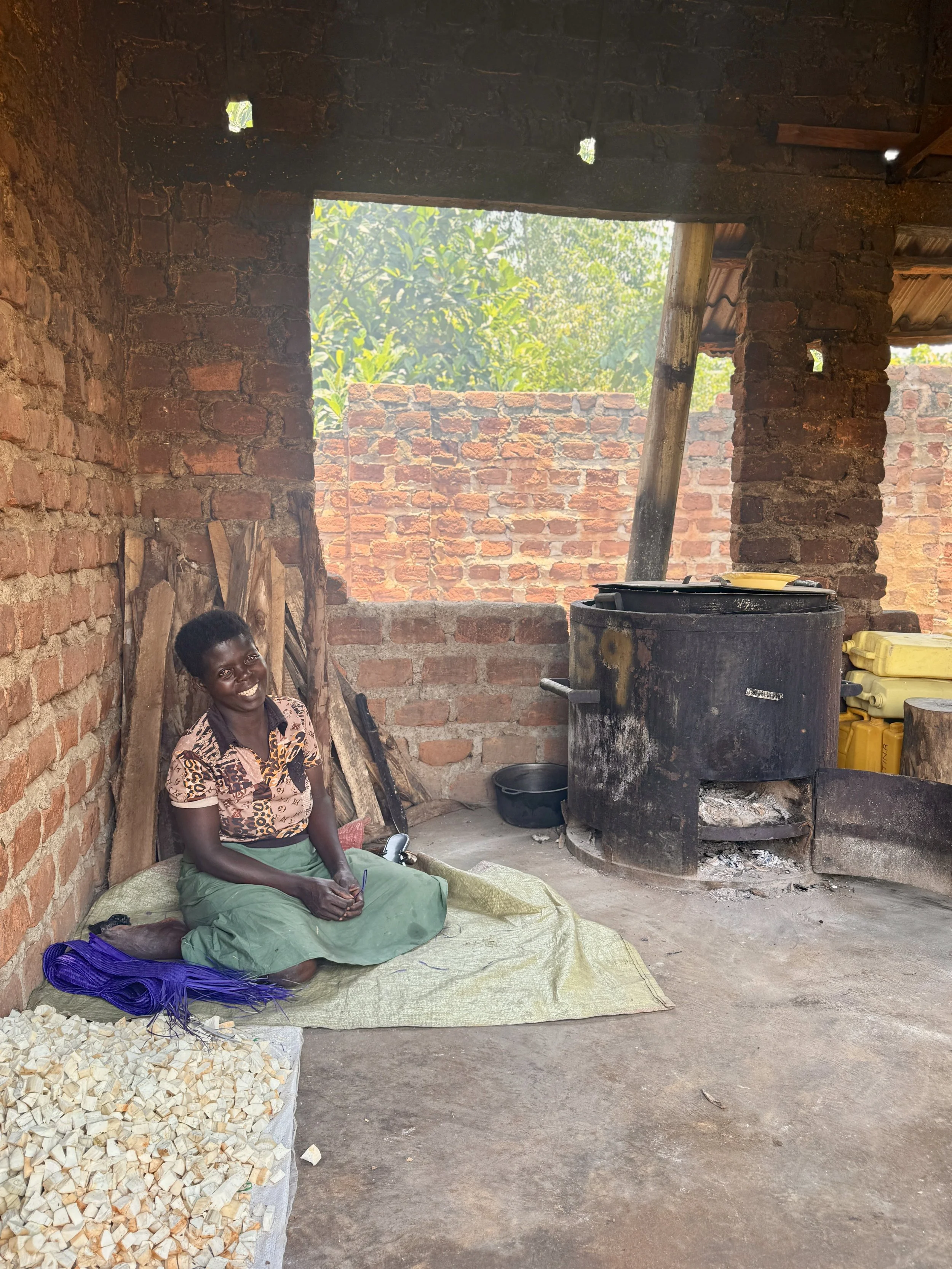
95% of schools in Uganda still cook using firewood in traditional 3-stone fireplaces.
Firewood combustion produces thick smoke, which leads to respiratory diseases, eye problems, and pollution indoors.
So, a “smoke-free kitchen” means using clean cooking technologies — like LPG, biogas, electric stoves, or improved cookstoves — that make cooking safer and healthier.
In this sense, it’s about public health, women’s welfare, and environmental protection.
2. Symbolic meaning
It can also be understood as a metaphor for progress, dignity, and empowerment.
A “smoke-free kitchen” represents freedom from unhealthy, outdated, or oppressive conditions.
It symbolizes women’s right to safety, health, and equality in domestic spaces.
It can also reflect broader social and economic empowerment — access to modern energy, technology, and education.
So, when someone says “women should be able to cook in a smoke-free kitchen,” they might mean both:
Women deserve the basic right to health and safety in their workplace and their homes, and society must ensure modern, dignified conditions for their daily lives.
This is what makes us proud at Simoshi when finding the cooks enjoying a safe kitchen environment, using the space to perform other activities in peace, and with big smiles in their faces.