A broken saucepan can corrode a stove due to several factors:
Exposure to Moisture: If the saucepan retains moisture or has food residue, it can lead to rust formation if the stove is made of metal. The moisture can accelerate corrosion, especially if the stove isn't made of stainless steel.
Chemical Reactions: Certain foods, particularly acidic ones like tomatoes or vinegar, can react with the metal of the saucepan and potentially create corrosive substances that may damage both the saucepan and the stove surface.
Heat Damage: A broken saucepan might not distribute heat evenly, leading to overheating in certain areas, which can cause both the saucepan and stove surface to degrade over time.
Metal Fragments: If the saucepan is very damaged, pieces might break off and remain on the stove. These metal bits could oxidize or react with the stove's surface.
This is why we put a lot of efforts throughout the year to educate the school cooks on how to best take care of the institutional improved cook stoves (IICS), how to avoid corrosion, while also reminding the office and administrators to buy bigger saucepans to avoid overfilling.
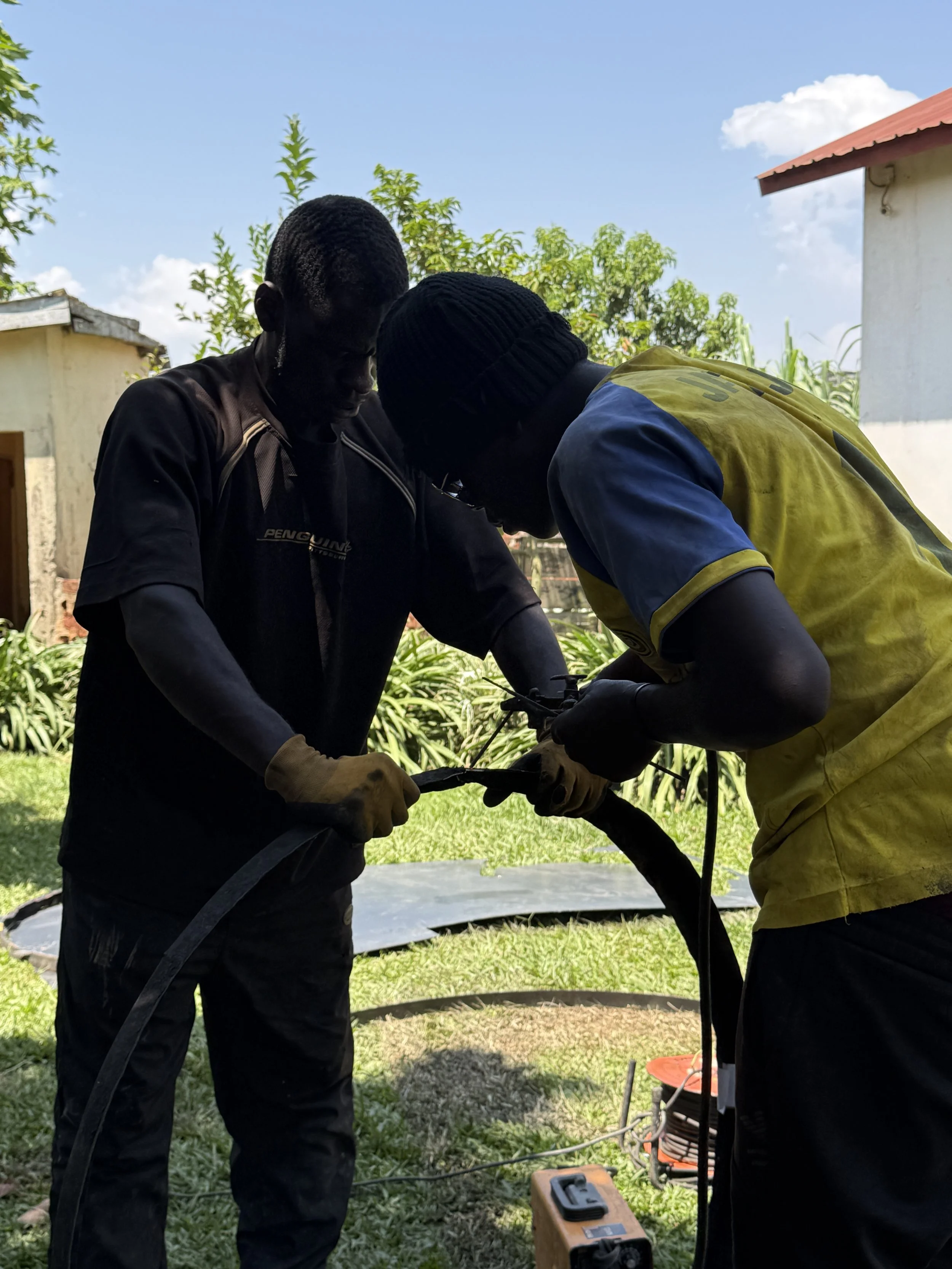
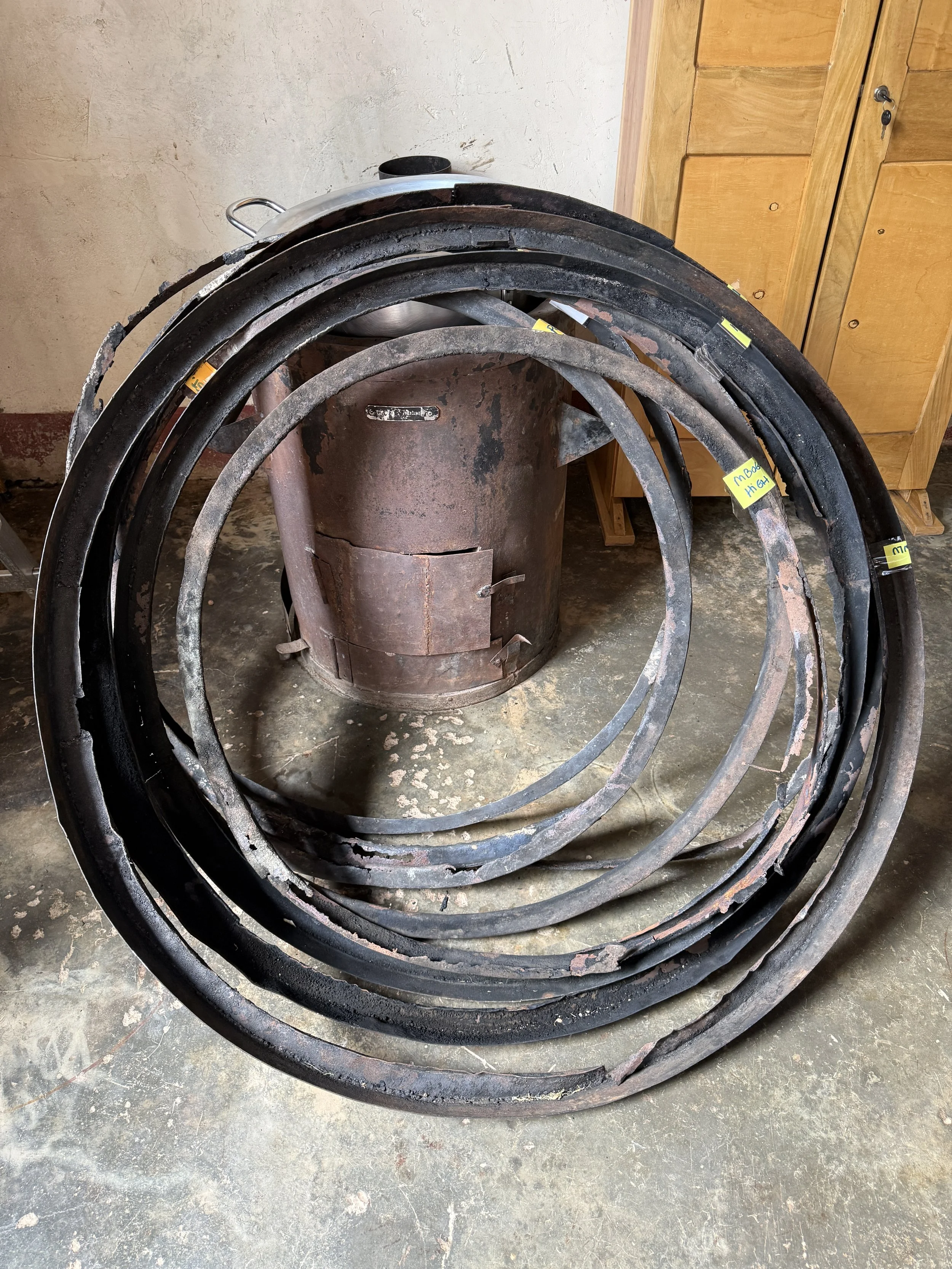
Right now we are fixing (free of cost)11 IICS top rings that got corroded for several of the above reasons mentioned, and will be delivered back to the schools this coming week to ensure the kitchen is all set for Term I commencement, on Tuesday 10th of February.