
After school activities are such an important part of the educational upbringing, often becoming spaces where children discover creativity and practical skills that complement their classroom learning. As we visited Kibiri Catholic Primary School today, we found a group of girls sitting together in the school compound, their laughter mixing with the companionship of sharing an activity. Instead of discarding the maize flour sacks that are so common in schools, they cut and weave them into mats. The process is slow but rhythmic, each strand pulled tight, each knot a small victory. In that moment, the school transforms into more than a place of lessons; it becomes a workshop of ingenuity where waste is turned into something useful and beautiful.
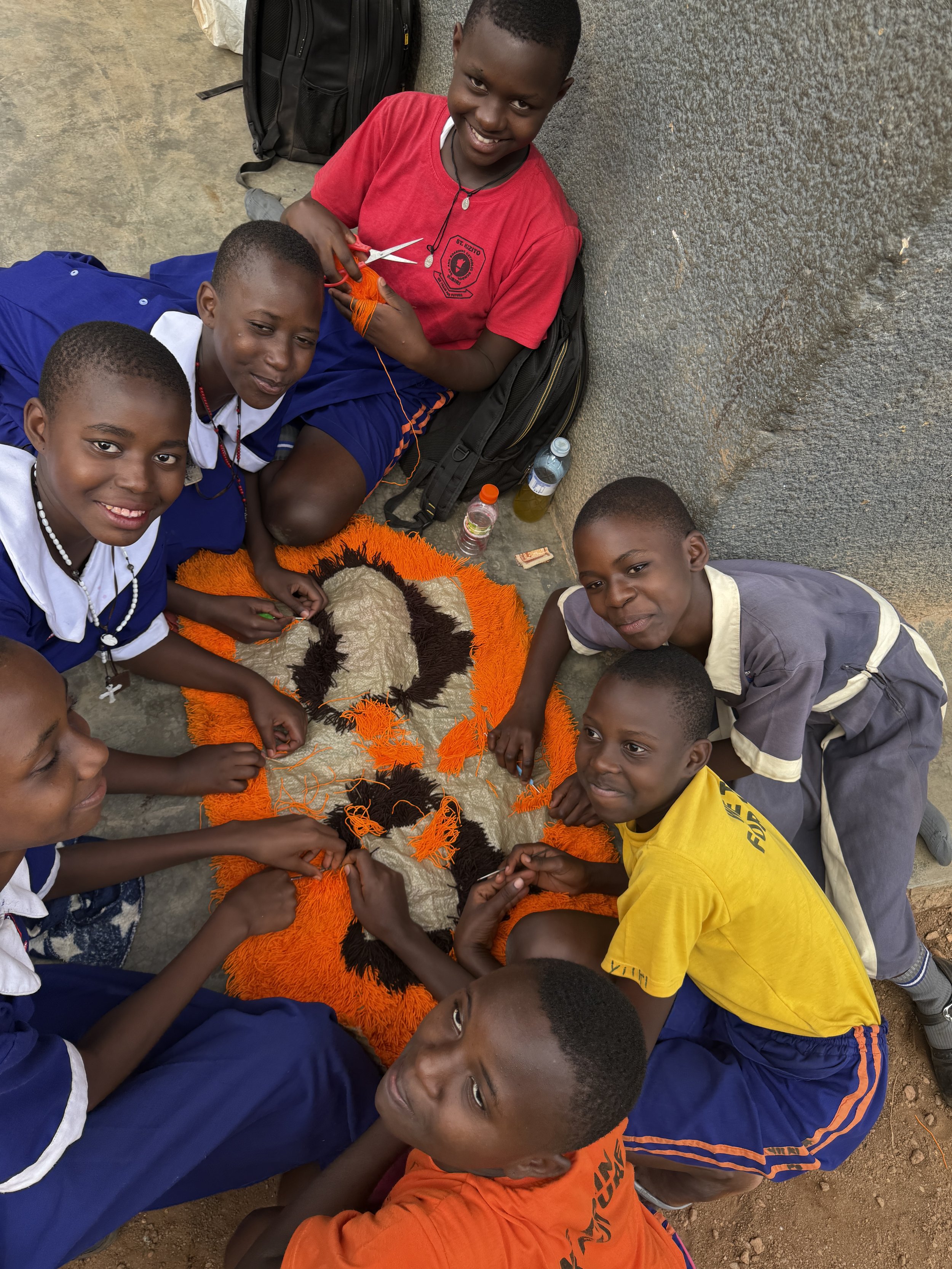
The benefits of such activities ripple outward. The girls not only learn patience and craftsmanship but also absorb lessons about recycling and sustainability. Their mats are either sold or used at home, adding economic and social value to their efforts. More importantly, these sessions foster teamwork, confidence, and a sense of pride in creating something with their own hands. In a country where resources can be scarce, after‑school projects like mat weaving show children that education is not confined to textbooks—it is also about resilience, creativity, and the ability to shape their environment in meaningful ways.