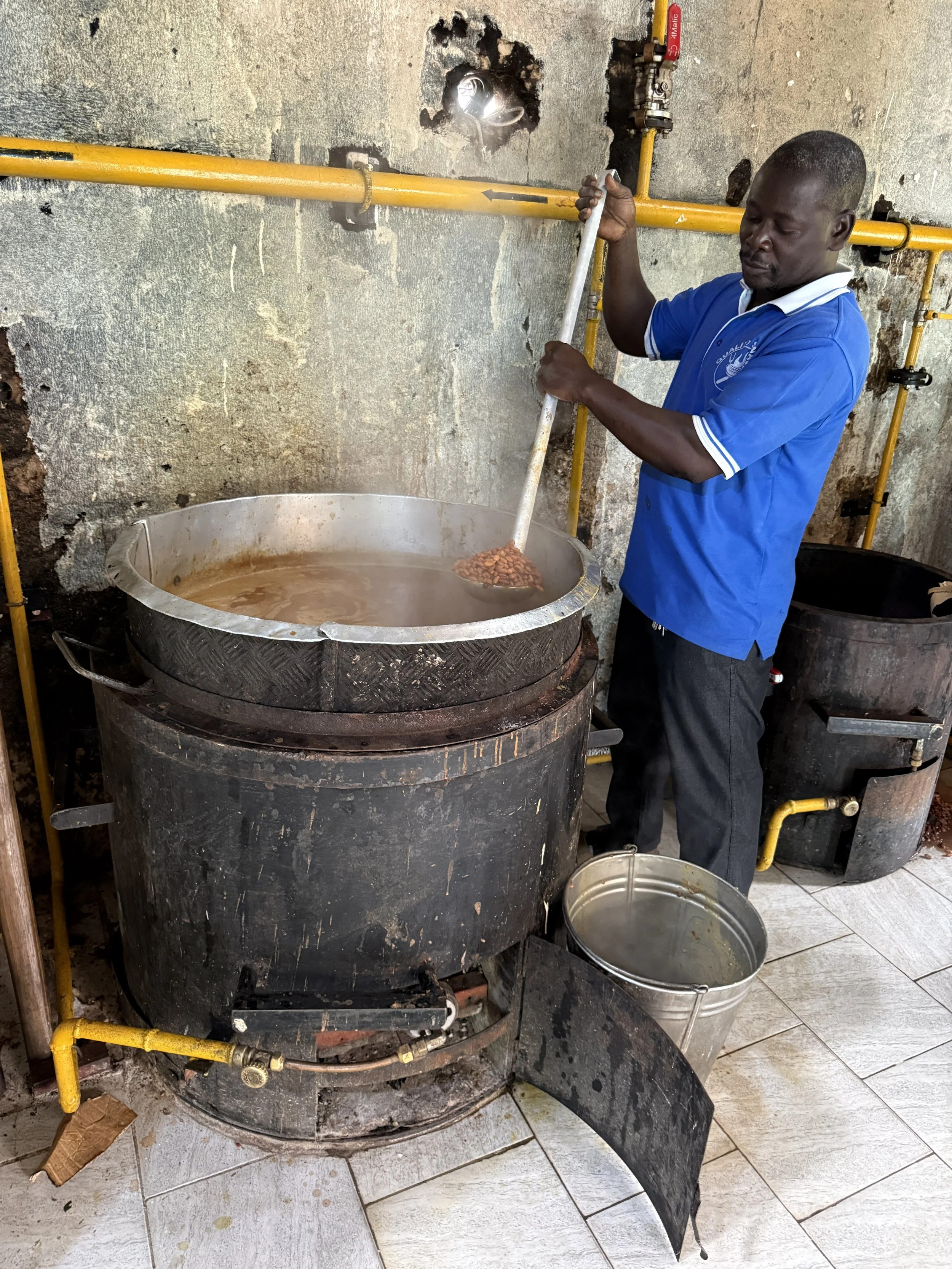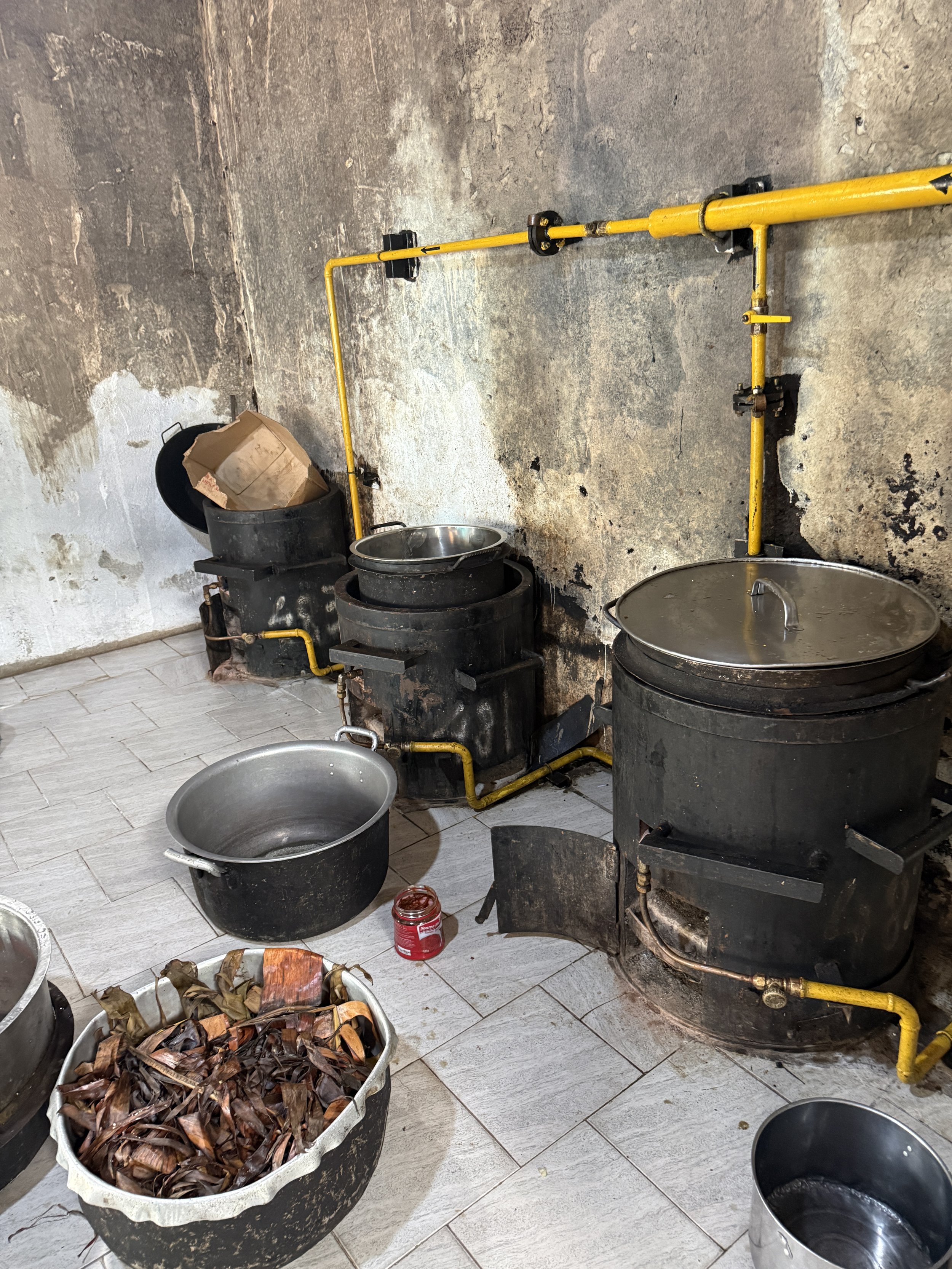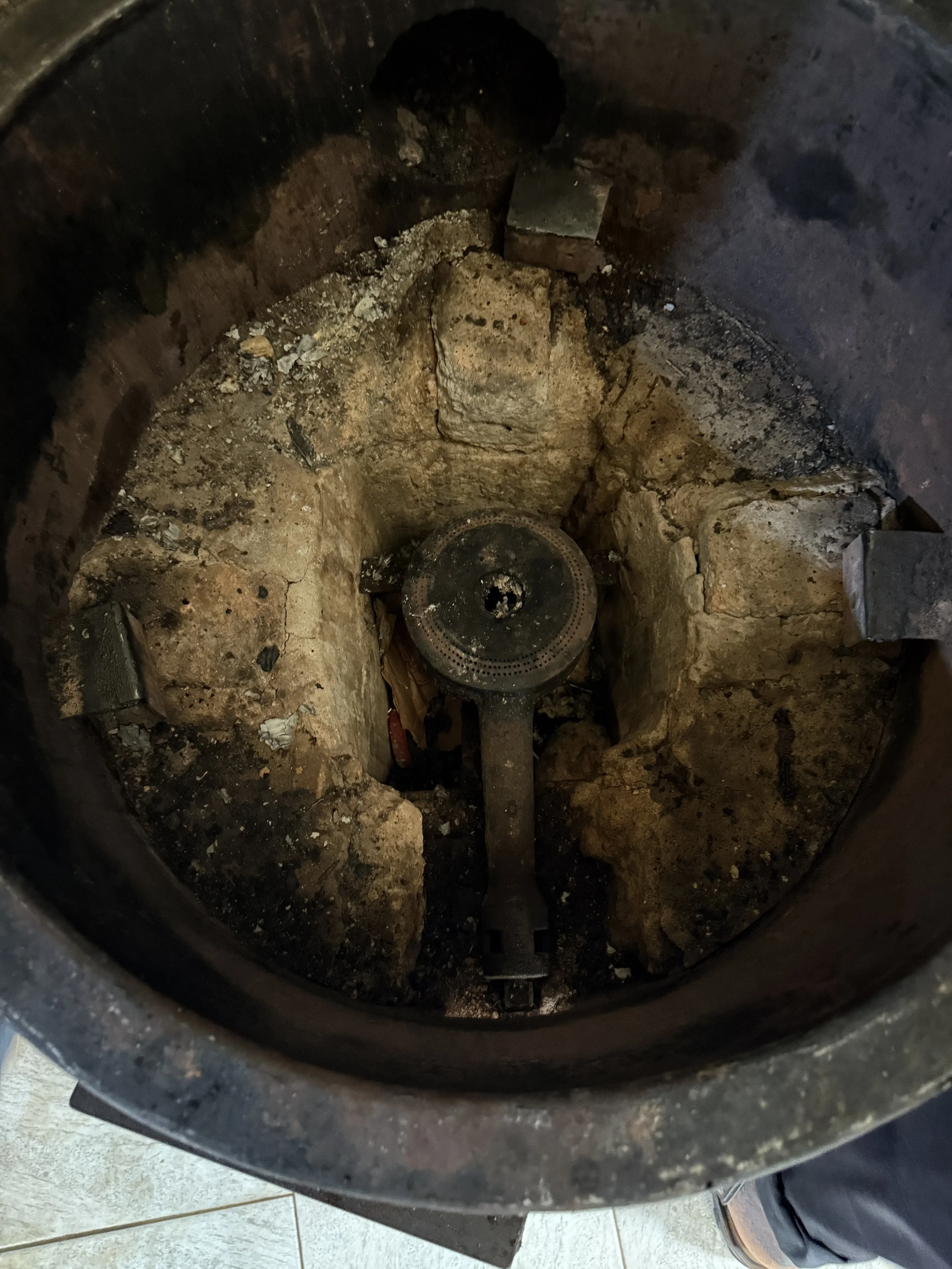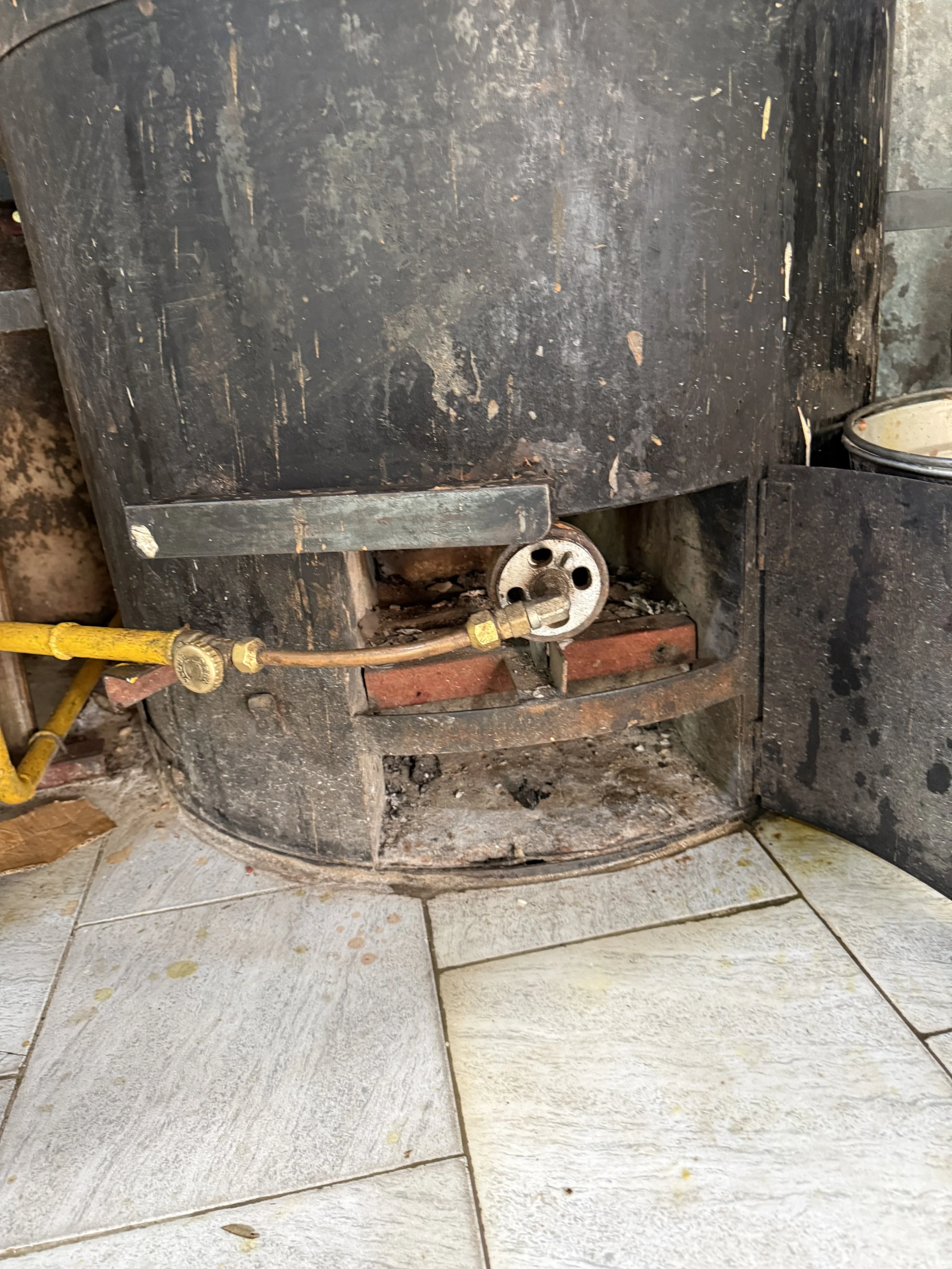
One of our participating schools in Kampala last year communicated to us they would adopt LPG for their cooking activities. LPG push can rapidly reduce indoor air pollution, improve health and time savings, and reduce localized deforestation pressure — but it requires careful handling of affordability, safety, supply stability and long‑term climate strategy to avoid locking schools into a costly fossil‑fuel dependence.
As we approach the end of the first school term, we decided to pay a visit to our former supported kitchen, to hear about their experiences, and also talk to the school bursar about their fuel expenditures.
Cooks were really pleased about the smoke free environment, and praised the time savings achieved. Nevertheless, the school administrators were complaining about the affordability, as they are currently spending 20% more that what they did during their previous years with the energy efficient firewood stoves.
At Simoshi we decided to introduce institutional induction cook stoves, because of 2 very important an decisive factors:
1) With the current approved special cooking tariff of UGX 390 per kGh, fuel expenditures become 30% cheaper than when compared with firewood consumed by energy efficient cook stoves
2) 99% of the electricity in Uganda is renewable (hydro), where as LPG is a fossil fuel
We continue to monitor the different fuel approaches to ensure that such transition can be a total win for the schools, and we will share all the lessons learned that can also support all Ugandan players when designing and executing coordinated actions across policy, markets, infrastructure, finance, safety/regulation and social programs to replace traditional biomass.