Back To School!

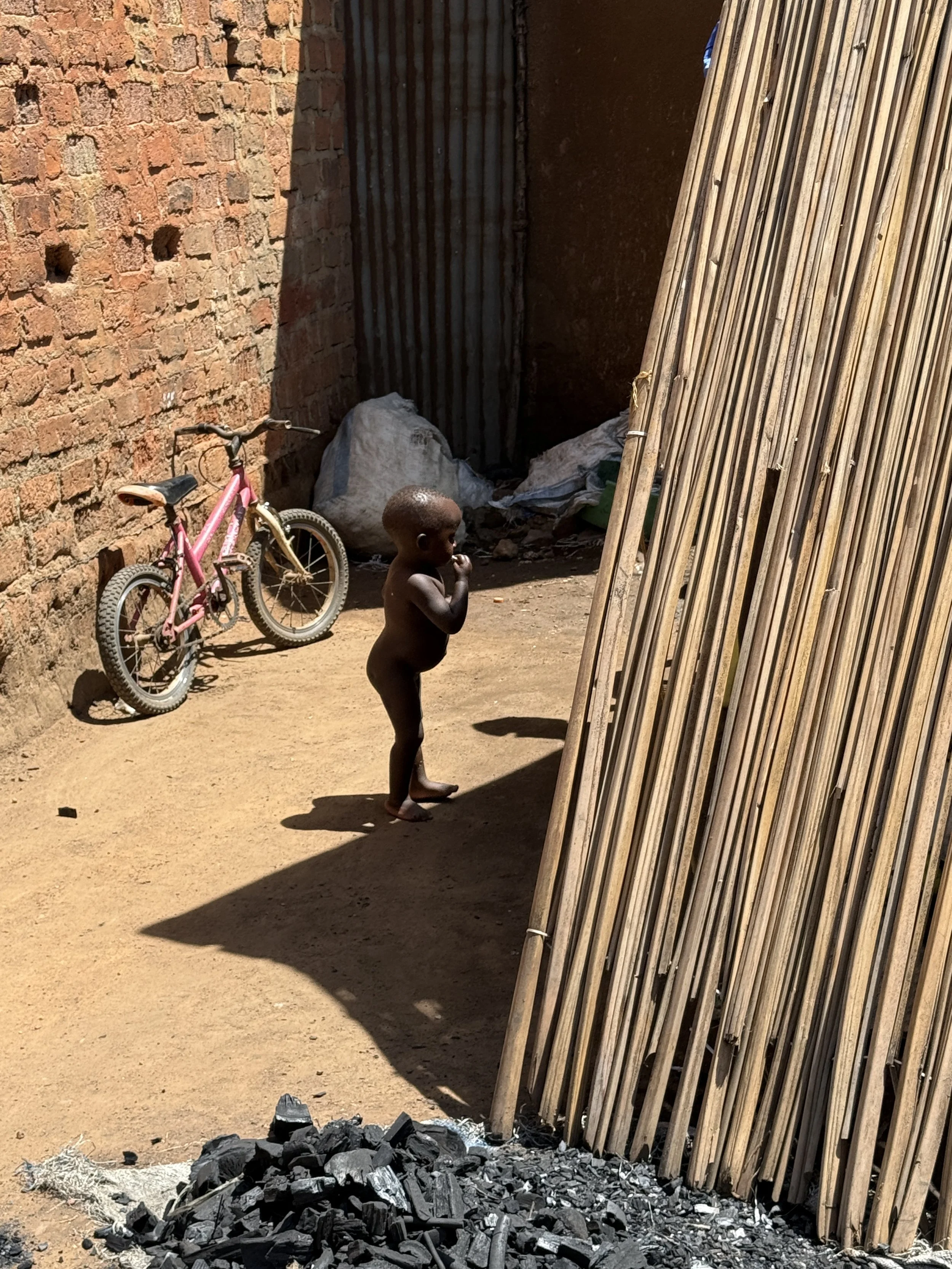
Since Monday, traffic jam in Kampala has been maniac. You could see children and parents riding the local boda Boda’s (motorcycles) loaded with their luggage and school items, ready to get started with school’s first term.

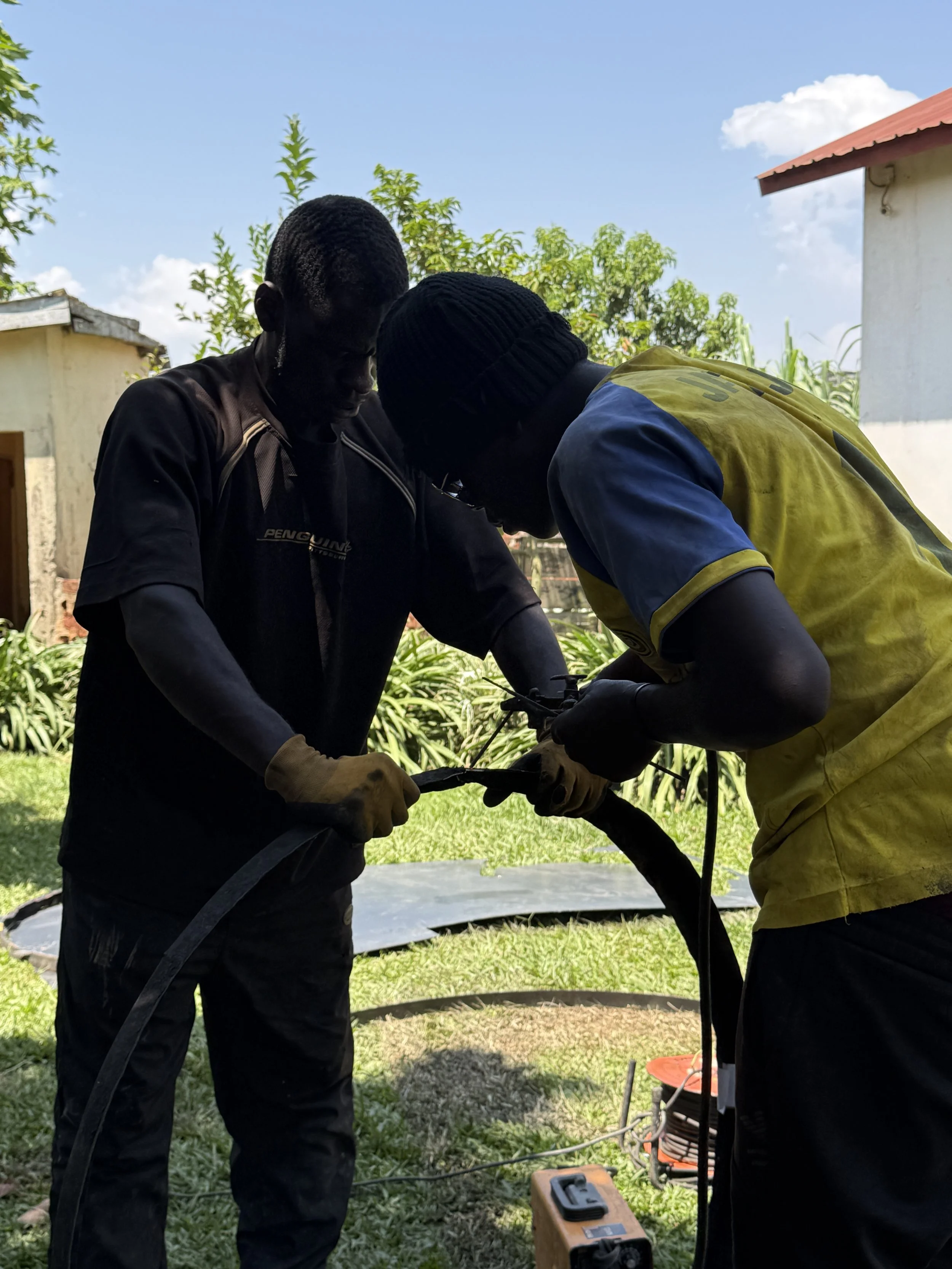
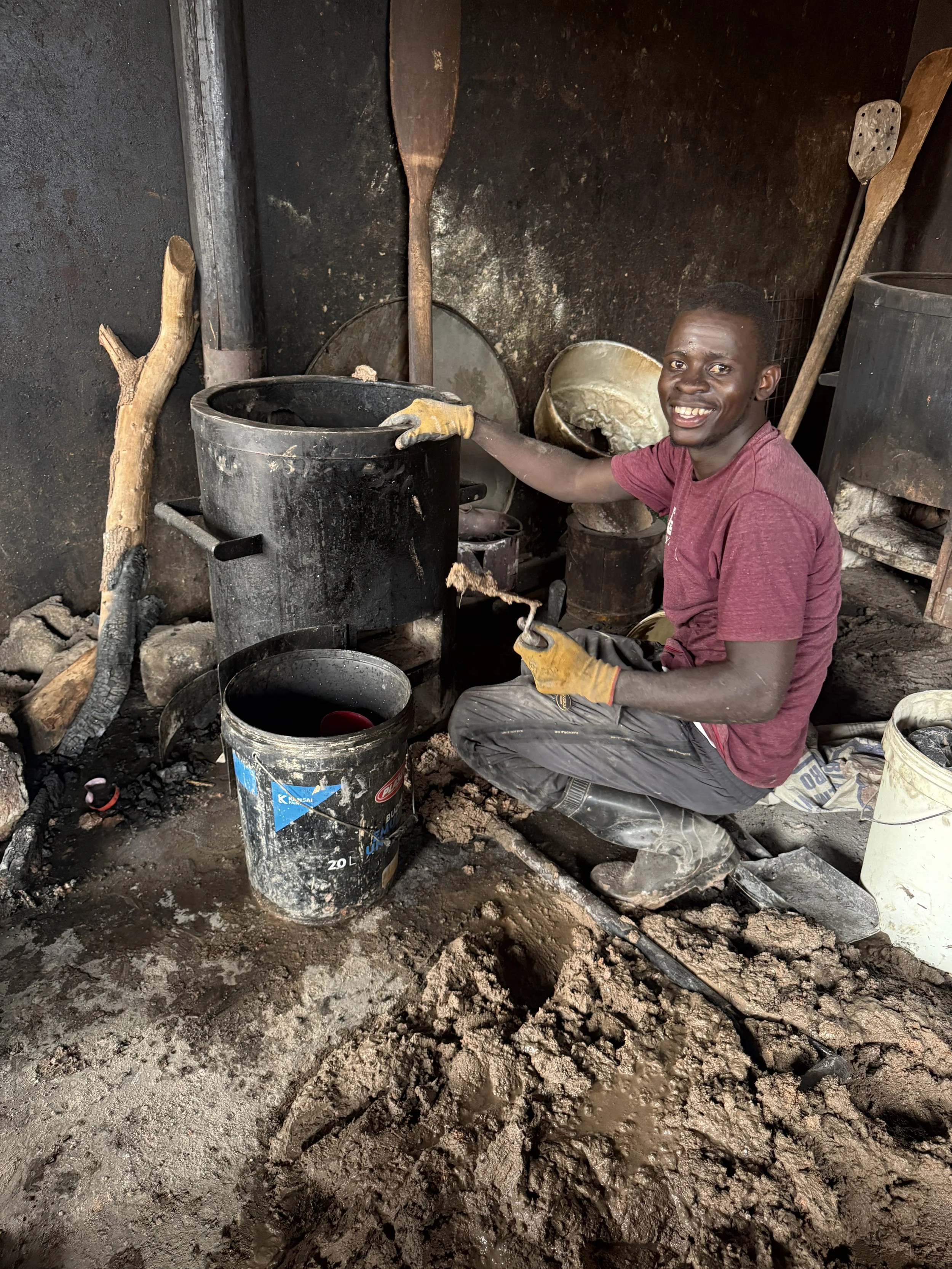
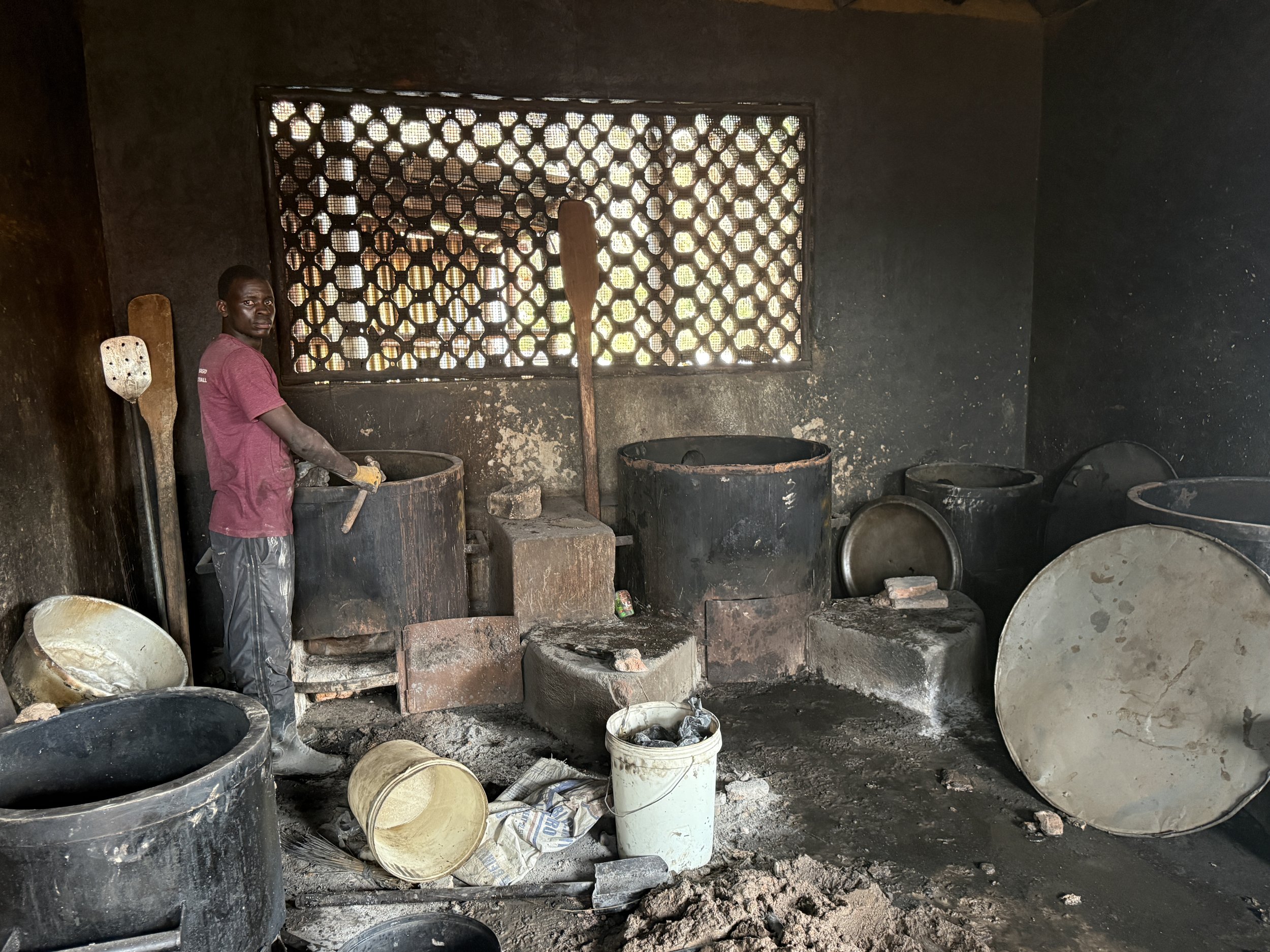
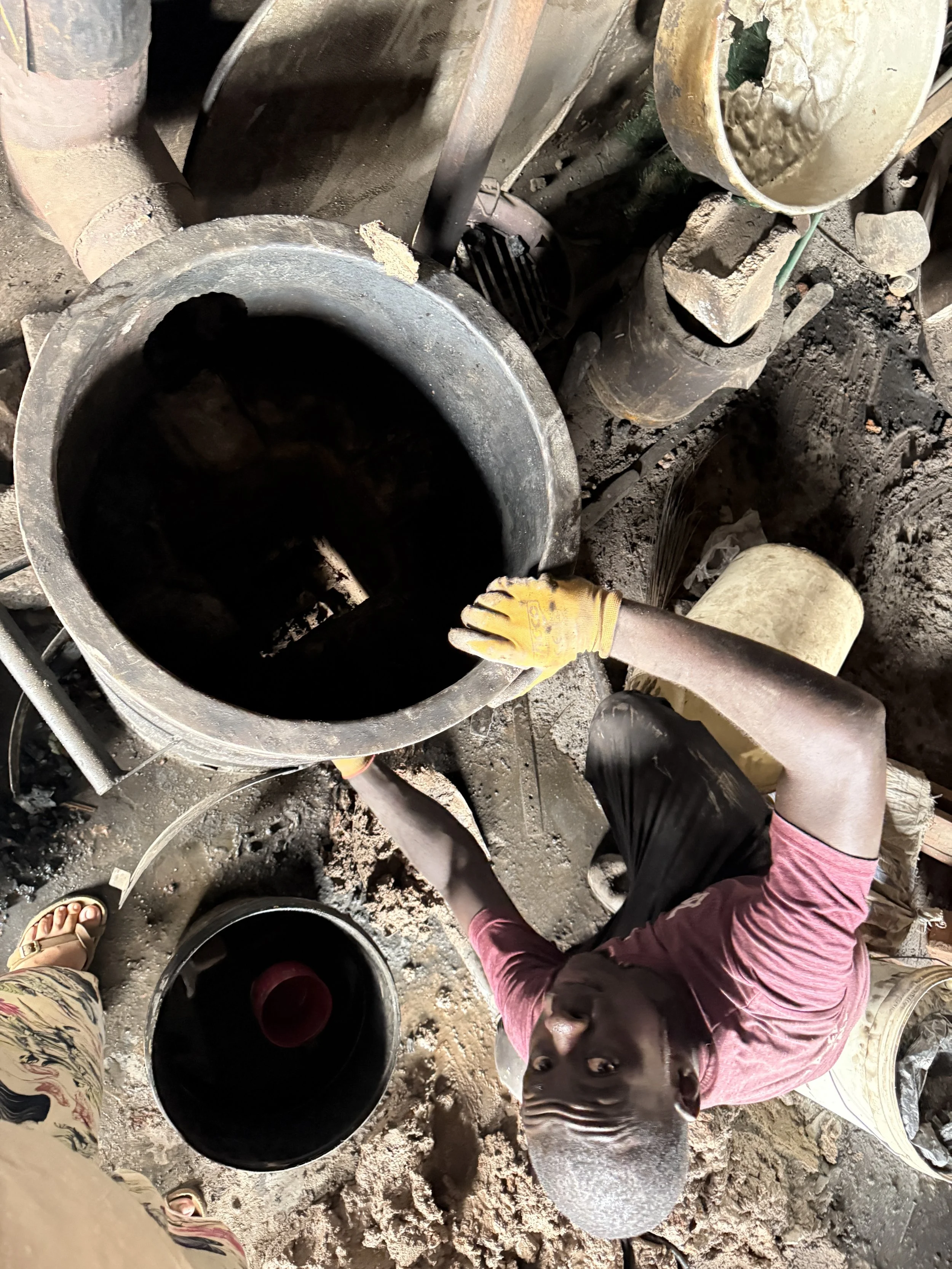
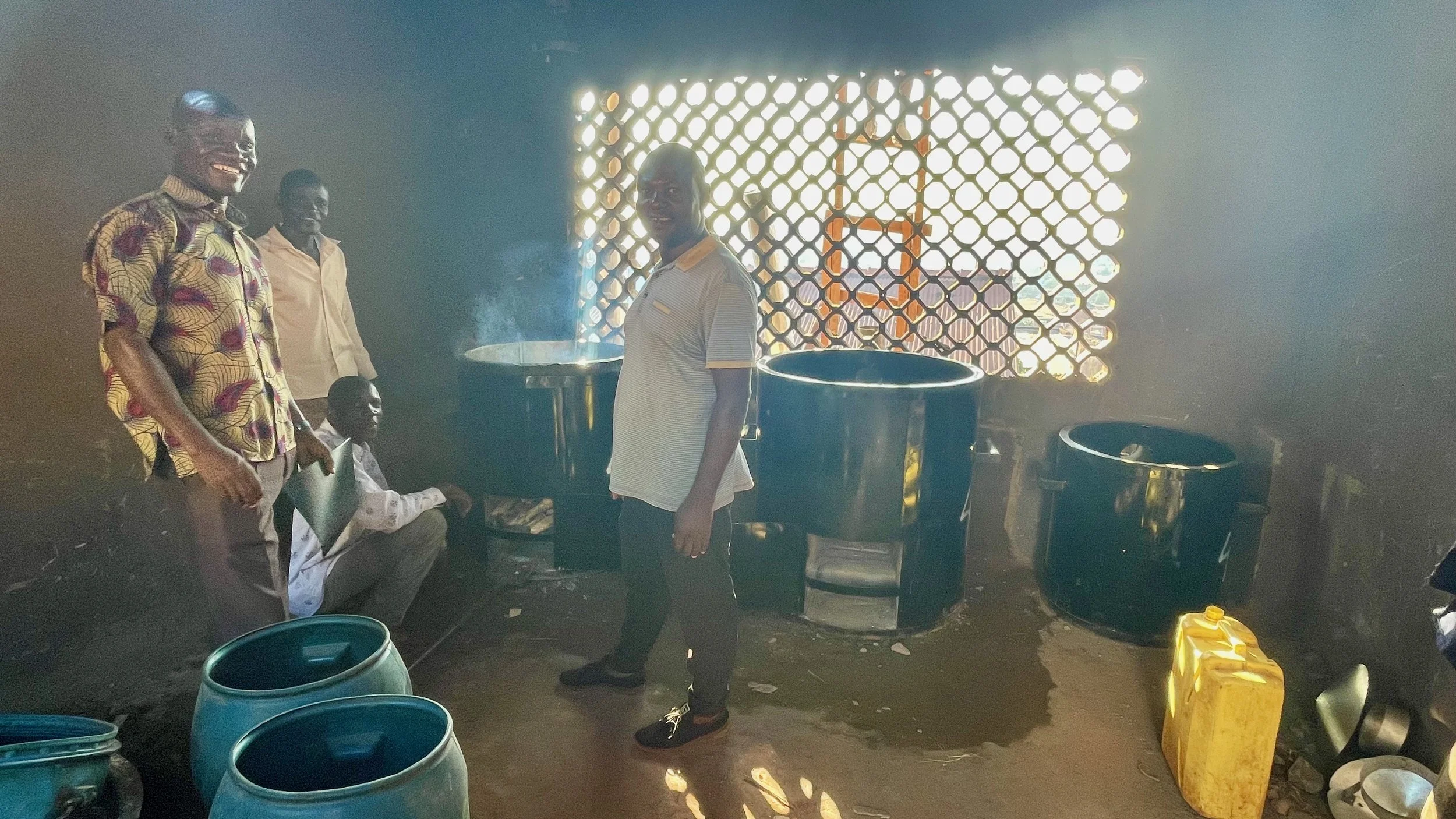
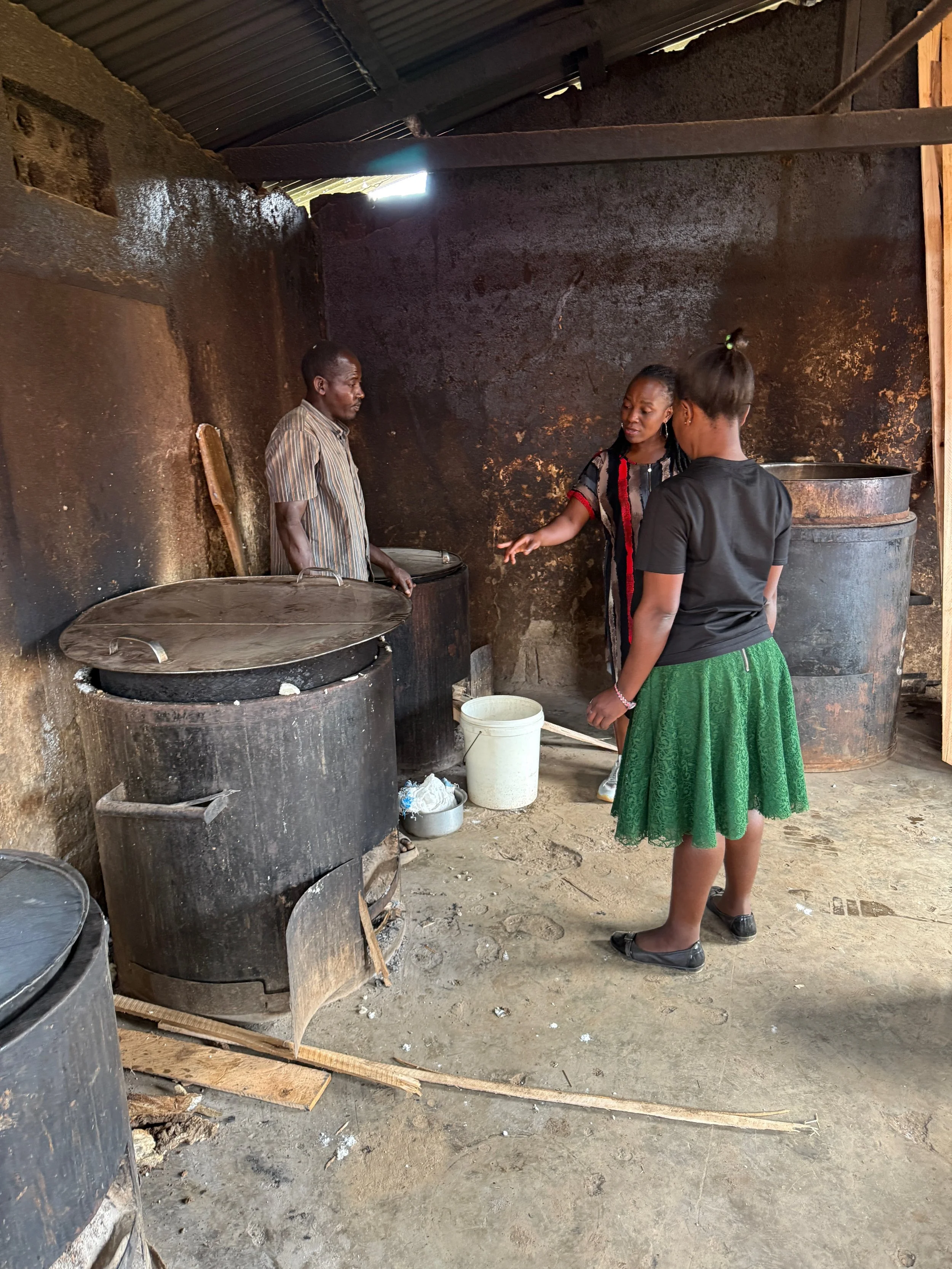
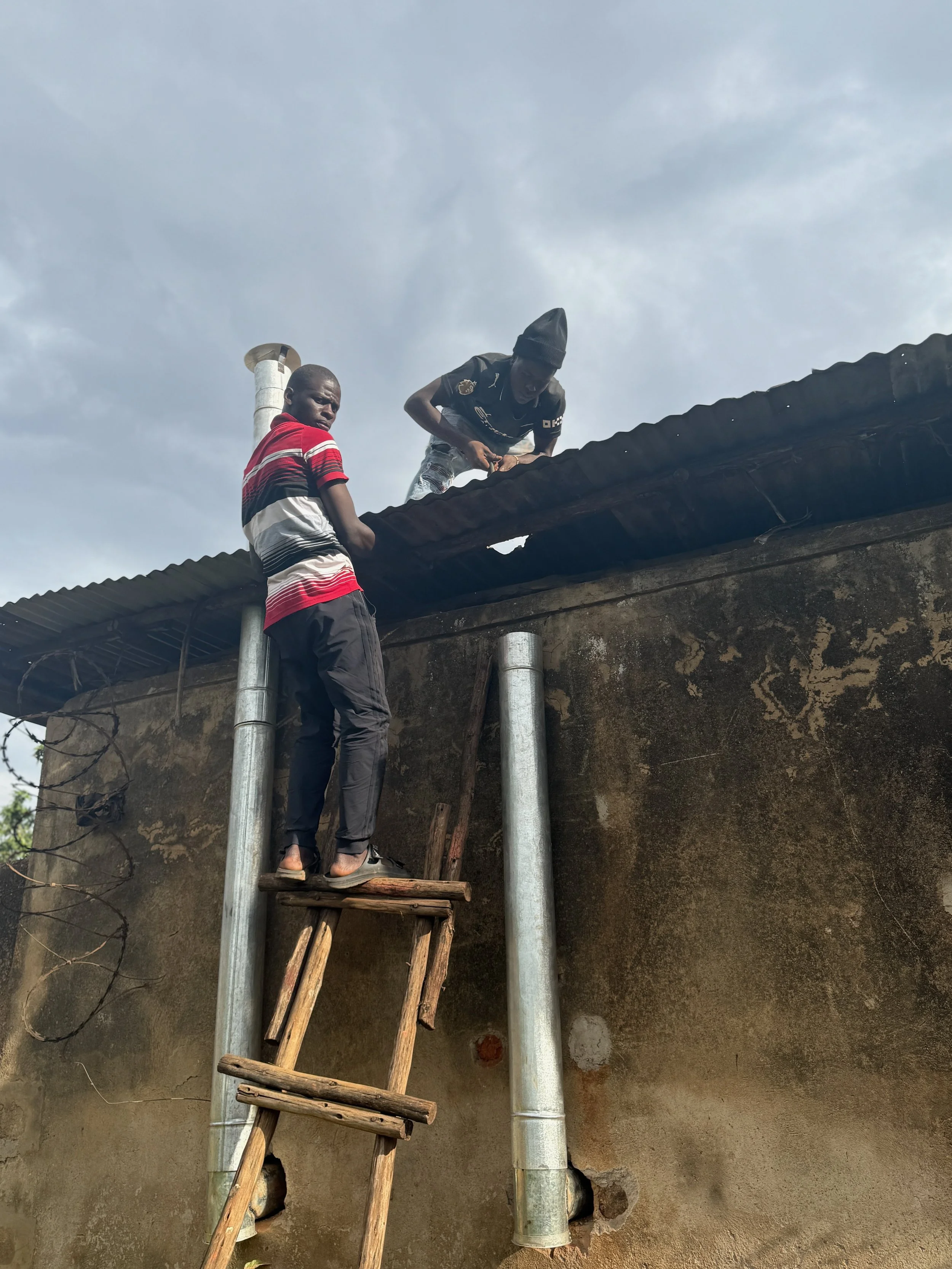
At Simoshi, throughout the past two months, we have been busy making all necessary institutional improved cook stove (IICS) repairs, so school kitchens can start with their cooking activities without any inconveniences and saving the maximum amount of firewood.

Our work now and for the upcoming months will be focused on monitoring the use of all IICS to ensure cooks properly operate the IICS efficiently and achieve the highest safety and hygiene standards.

The Risk of Handling Charcoal

Handling charcoal is common for street vendors and cooks in Uganda (especially food sellers), but it does come with some real risks, and little children are too often also exposed. This is not only about hygiene issues, but for other three big concerns:

🔥 Health dangers

  • Smoke inhalation: Burning charcoal releases carbon monoxide and fine particles. Breathing this in over long hours can cause headaches, dizziness, nausea, breathing problems, and long-term lung issues.

  • Carbon monoxide poisoning: In poorly ventilated areas (stalls, tents, indoors, or calm wind days), CO can build up quickly and be life-threatening.

  • Charcoal dust: Handling dry charcoal can create dust that irritates the lungs and eyes and may worsen asthma.

✋ Physical injuries

  • Burns: Hot charcoal can cause serious skin burns, especially when adding fuel or cleaning grills.

  • Cuts and abrasions: Charcoal pieces can be sharp and rough on bare hands.

  • Eye injuries: Sparks, ash, or dust can get into the eyes.

🧪 Chemical exposure

  • Toxic additives: Some charcoal (especially treated or low-quality types) may contain chemicals that release harmful fumes when burned.

  • Food contamination: Ash or chemicals can settle on food if grills aren’t managed carefully.

Problems That Lead to Corrosion

A broken saucepan can corrode a stove due to several factors:

  1. Exposure to Moisture: If the saucepan retains moisture or has food residue, it can lead to rust formation if the stove is made of metal. The moisture can accelerate corrosion, especially if the stove isn't made of stainless steel.

  2. Chemical Reactions: Certain foods, particularly acidic ones like tomatoes or vinegar, can react with the metal of the saucepan and potentially create corrosive substances that may damage both the saucepan and the stove surface.

  3. Heat Damage: A broken saucepan might not distribute heat evenly, leading to overheating in certain areas, which can cause both the saucepan and stove surface to degrade over time.

  4. Metal Fragments: If the saucepan is very damaged, pieces might break off and remain on the stove. These metal bits could oxidize or react with the stove's surface.

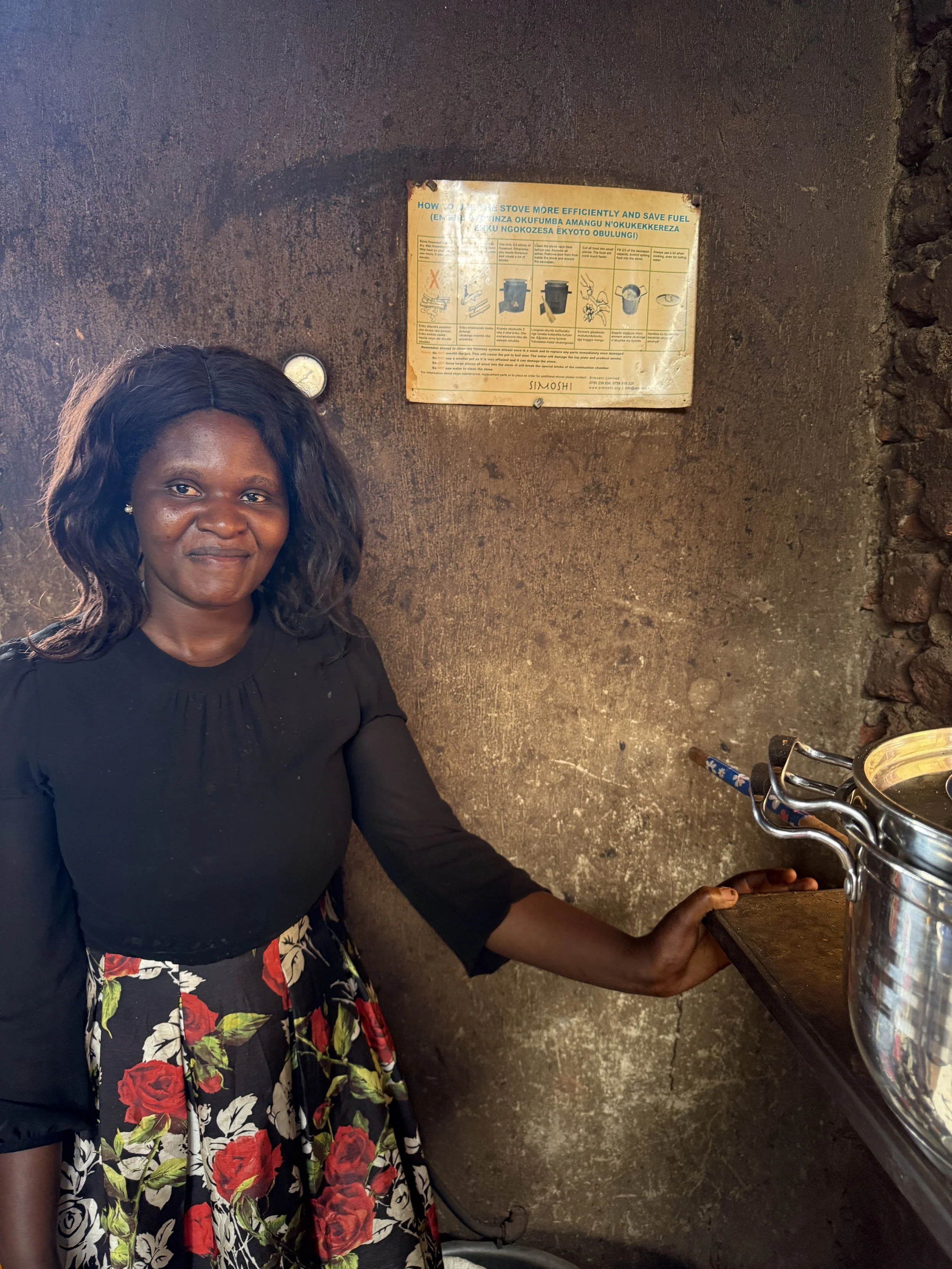
This is why we put a lot of efforts throughout the year to educate the school cooks on how to best take care of the institutional improved cook stoves (IICS), how to avoid corrosion, while also reminding the office and administrators to buy bigger saucepans to avoid overfilling.

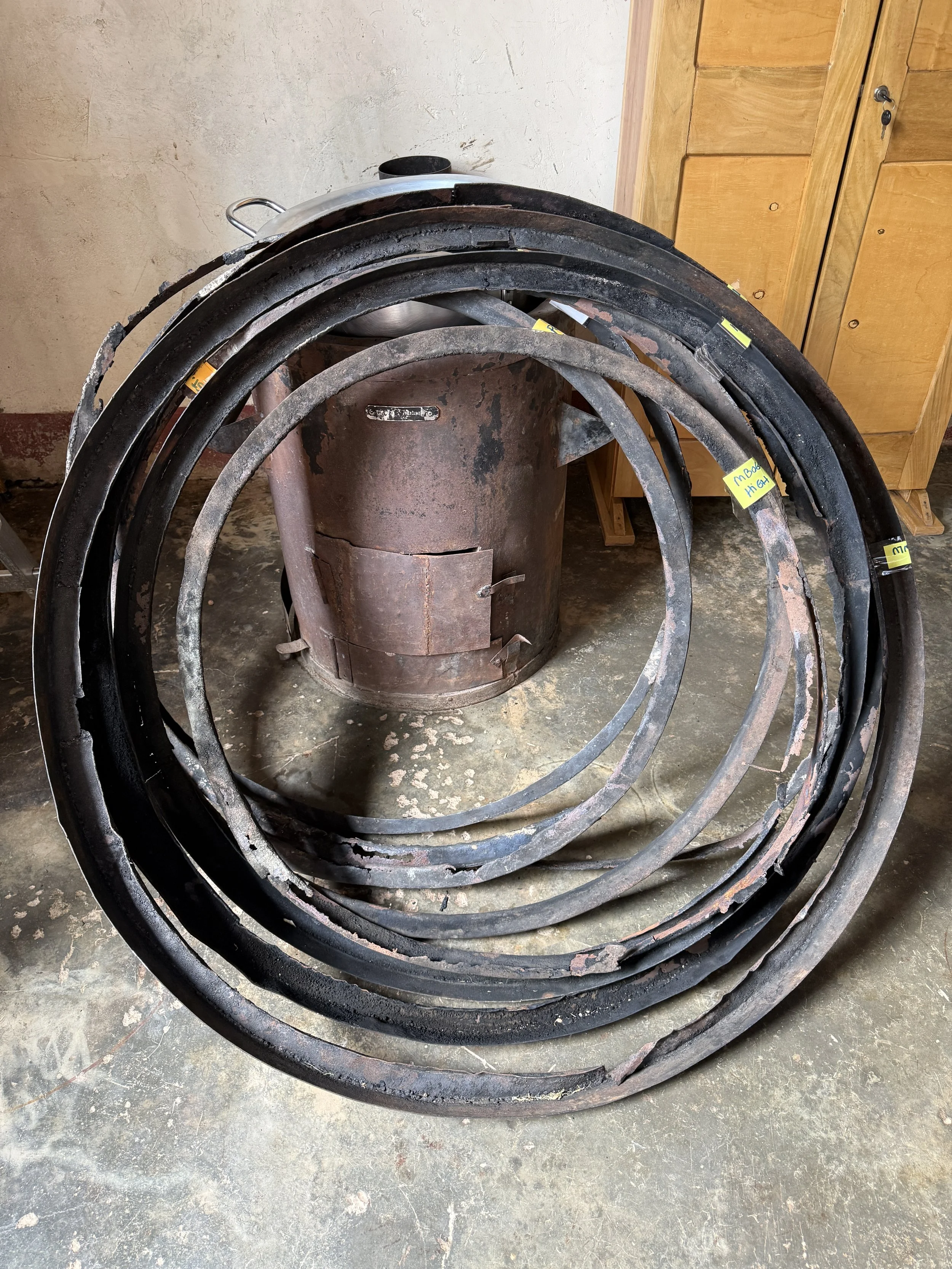
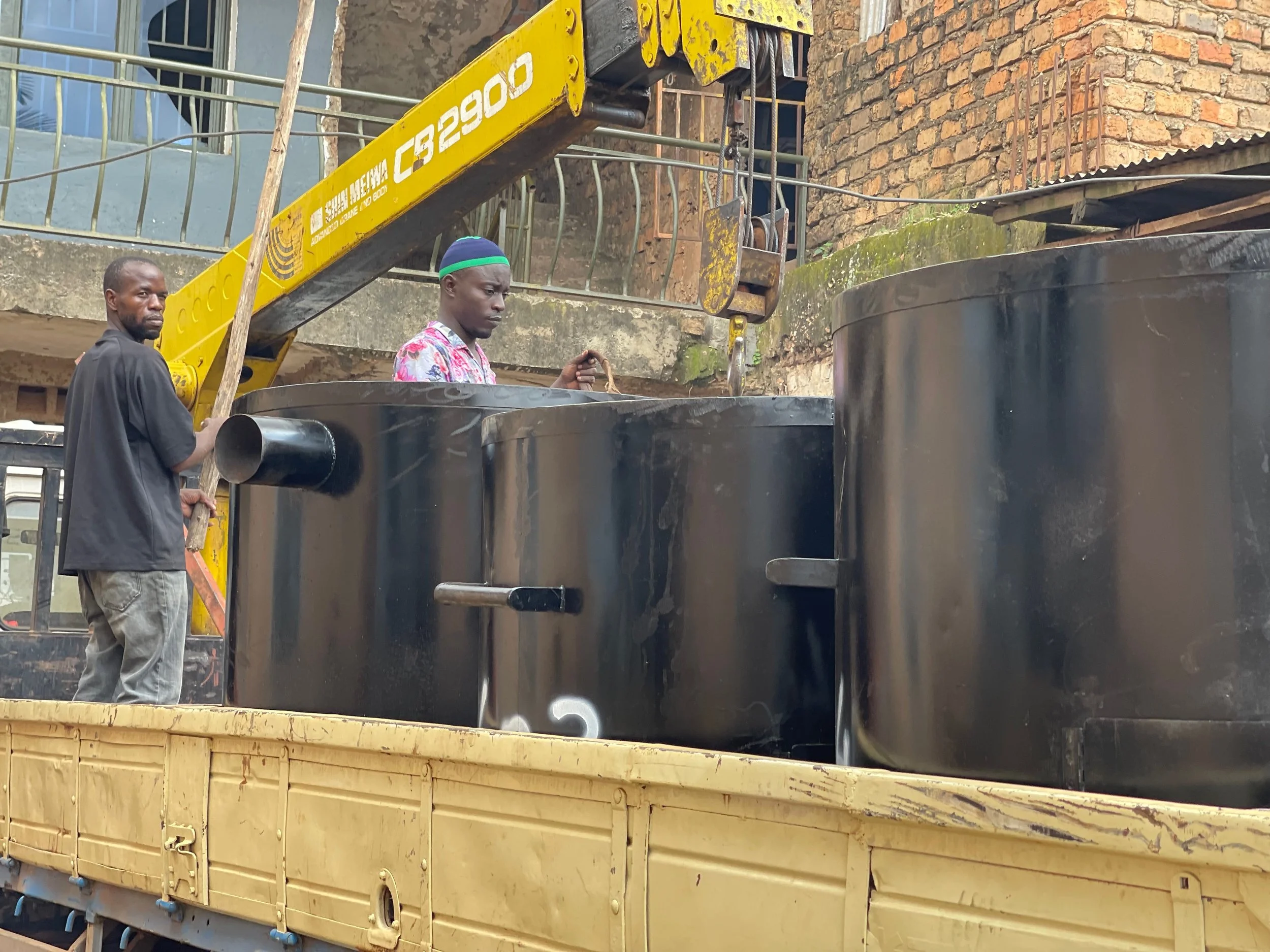
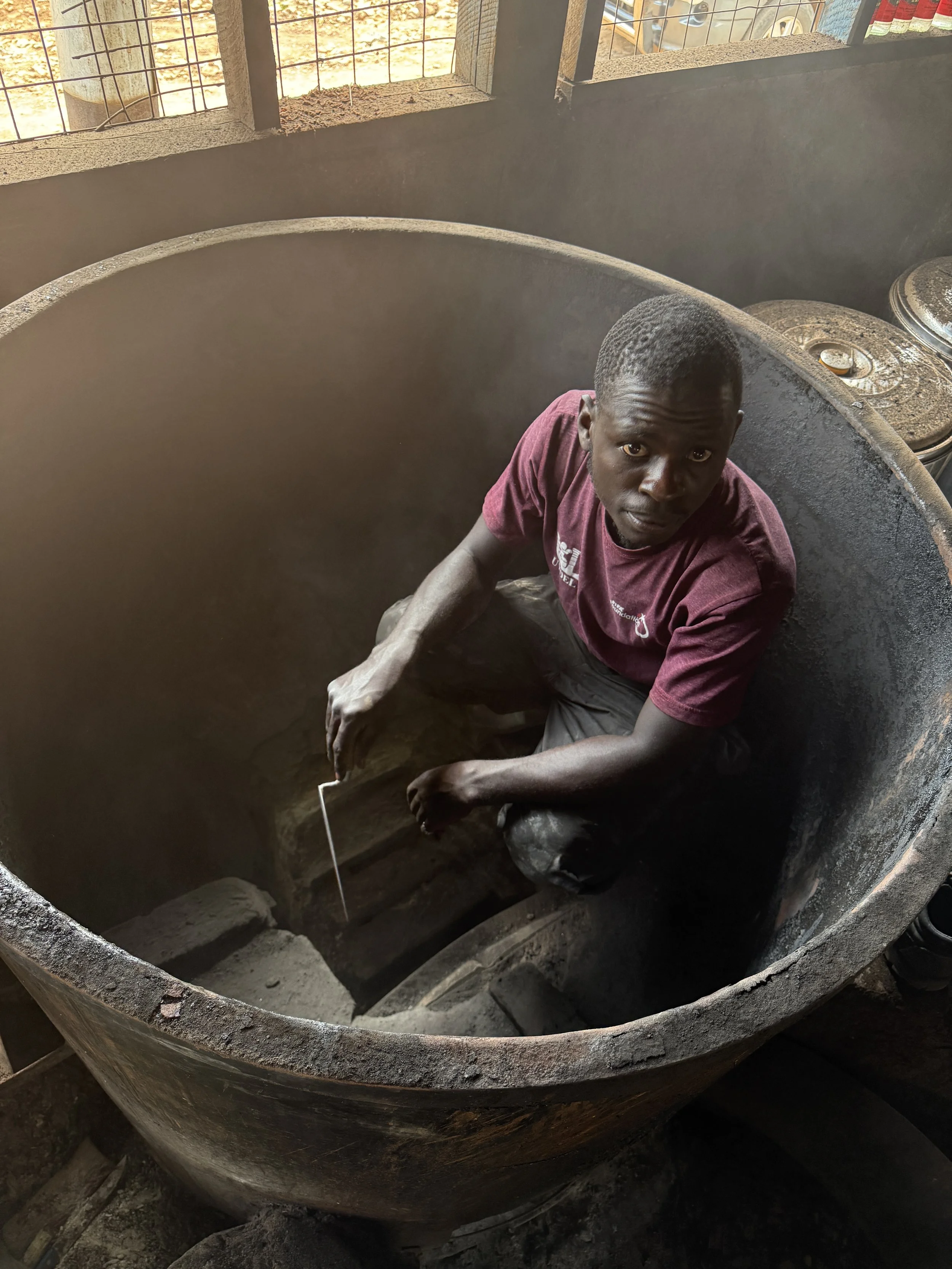
Right now we are fixing (free of cost)11 IICS top rings that got corroded for several of the above reasons mentioned, and will be delivered back to the schools this coming week to ensure the kitchen is all set for Term I commencement, on Tuesday 10th of February.

Extra Week For Repairs

Presidential elections took place last week, and found us all in a very unusual situation because Internet has been shut down countrywide for almost a whole week. The government has just announced that school classes will commence a week later, on Tuesday 10th of February.

This means we will have an extra week to use for institutional improved cook stove (IICS) repairs, which is very much welcomed because we had to slow down our schools’ visits for IICS maintenance during the elections, due to security reasons.

Below are some images of our current repairs events that have been taking place at different schools during January. Remember all these IICS repairs are free of cost to all 120 participating schools, and take place every year, to ensure that IICS are performing and saving the maximum amount of firewood achievable.

Upgrading To Induction

As we start the new year, we wanted to share some of the three biggest challenges we will likely face in 2026 when working with schools in Uganda that want to adopt electric cooking, based on the local context, energy systems, and institutional realities found during last year’s trial with induction cookers in one of our participating schools:

1. Unreliable Electricity Supply

Many schools, especially in rural and peri-urban areas, experience frequent power outages and voltage fluctuations. Electric cooking requires stable and sufficient power, and interruptions can disrupt meal preparation schedules, affecting students’ welfare and school operations.

2. High Upfront Infrastructure Costs

Electric cooking often requires:

  • Electrical upgrades (transformers, wiring, three-phase power, stabilizers)

  • Purchase of high-capacity electric induction stoves of 259 liter capacities.
    These initial costs may be too high for schools with limited budgets, even if long-term savings exist.

3. Electricity Tariffs and Operating Costs

Although electric cooking can be cheaper than charcoal or firewood in the long run, schools may be concerned about:

  • Rising electricity tariffs

  • Unexpected monthly bills
    This uncertainty can slow decision-making or reduce trust in the transition

We are working hard to adjust our registered project activity that has been recently approved to transition to Article 6.4, making sure the latest available methodology is used. Future carbon credit revenues can leverage the high upfront infrastructure costs.

In the meantime, we are also closely following up with the different ministries as a new school cooking tariff will be released, making electric cooking the cheapest available fuel.
Stove Sizes Matter

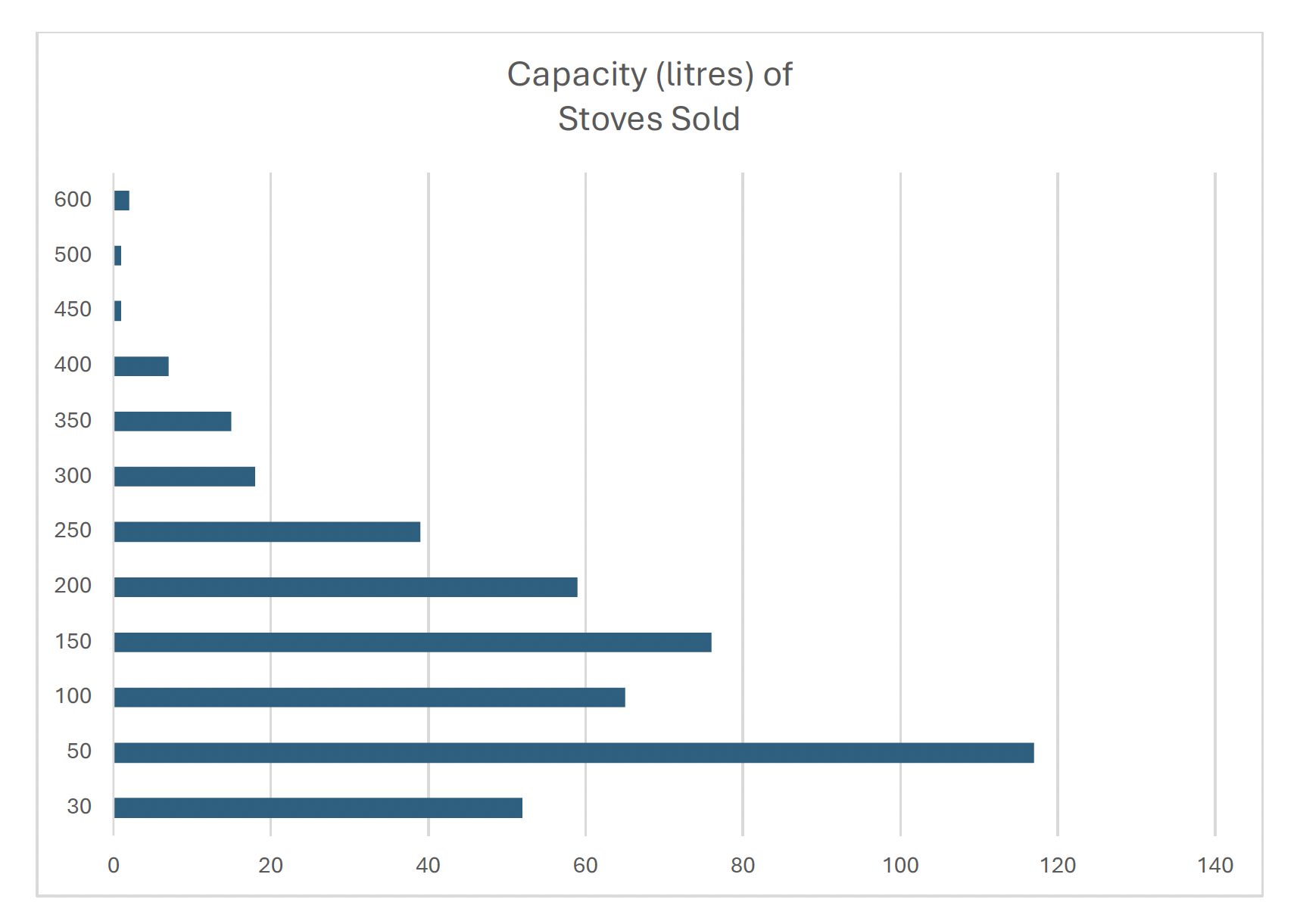
Since 2016, we have been distributing institutional improved cook stoves (IICS) of different saucepan capacities, that range from 30 litres up to 600 litres. We have made the IICS to exactly match the existing saucepans found in the school kitchens. The saucepan sizes are directly correlated to the number of students that eat in each school, and whether they have a daily or boarding modality.

Smaller IICS sizes usually accommodate the teachers special dishes, typically used for frying the beans with sauce, teachers special meals and the kettles for the tea. This is why the 50 litres capacity has been the most popular size since we first started disseminating the IICS.

Out of 452 IICS currently in operation, 25.9% of the IICS correspond to the 50 litres capacity, followed by 150 litres (16.8%), 100 litres capacity (14.4%) and 200 litres capacity (13%), making 70% of the total IICS capacity in 120 participating schools.

Cooks During Holidays

As soon as the last day of school is done, cooks are not required at the school premises. They will still get paid their salaries during the long holiday period, but some benefits such as accommodation (most of them usually stay at the school premises) must also vacate. Food is no longer available free of cost.

Therefore cooks face some financial challenges during the months of December and January, until the new school term begins early February.

This is why most of them return to their villages, to work in the farms. These are usually small plots of land within their family properties, and are enough to support the families with the local crops, typically yams and beans.

Reinforcing Concepts

Achieving a successful transition in the schools’ cooking practices is one core component of our mission. Changing old cooking practices from cooks used to preparing meals on traditional 3-stone fires can be challenging.

It can be difficult because of many different reasons. Old habits die hard, and educating the institutional improved cook stove users (IICS) on the importance these can have on their health and safety is a key aspect of such engagement to become a long lasting reality.

The truth is cook staff turnover is high. We invest a lot of time on such training sessions, and can feel sad and disappointed when we see them go….. but hopeful that such knowledge gained will endure in their new workplaces, and that they have gained confidence to also demand from their new employers a kitchen environment that is up to the same standards from their previous jobs.

School Year Ended

Schools are now officially closed as we enter the month of December. Although the original school calendar indicated Friday 5th of December as the last school year, the President has advised schools should close a week earlier due to political campaigning currently going on.

The next presidential election is scheduled for early 2026 (exact date usually confirmed by the Electoral Commission closer to the period).

At Simoshi we will need to make the most of this month of December to carry out the free stove repairs, as schools have now officially closed their doors. During the month of January, because of elections, disturbances can happen, making field visits and public transport complicated.

We have therefore finished in November with all the Kitchen Information Updates, where we inspect every single institutional improved cook stove (IICS). An assessment of the IICS maintenance types is underway, and schools are scheduled and booked for their free repairs, hopefully achieving most of the needed events to take place this month, before the year ends. Any remaining requests and repairs will be allocated for January. Schools will start the new school year during early February.

Ten Years Later, Still Together

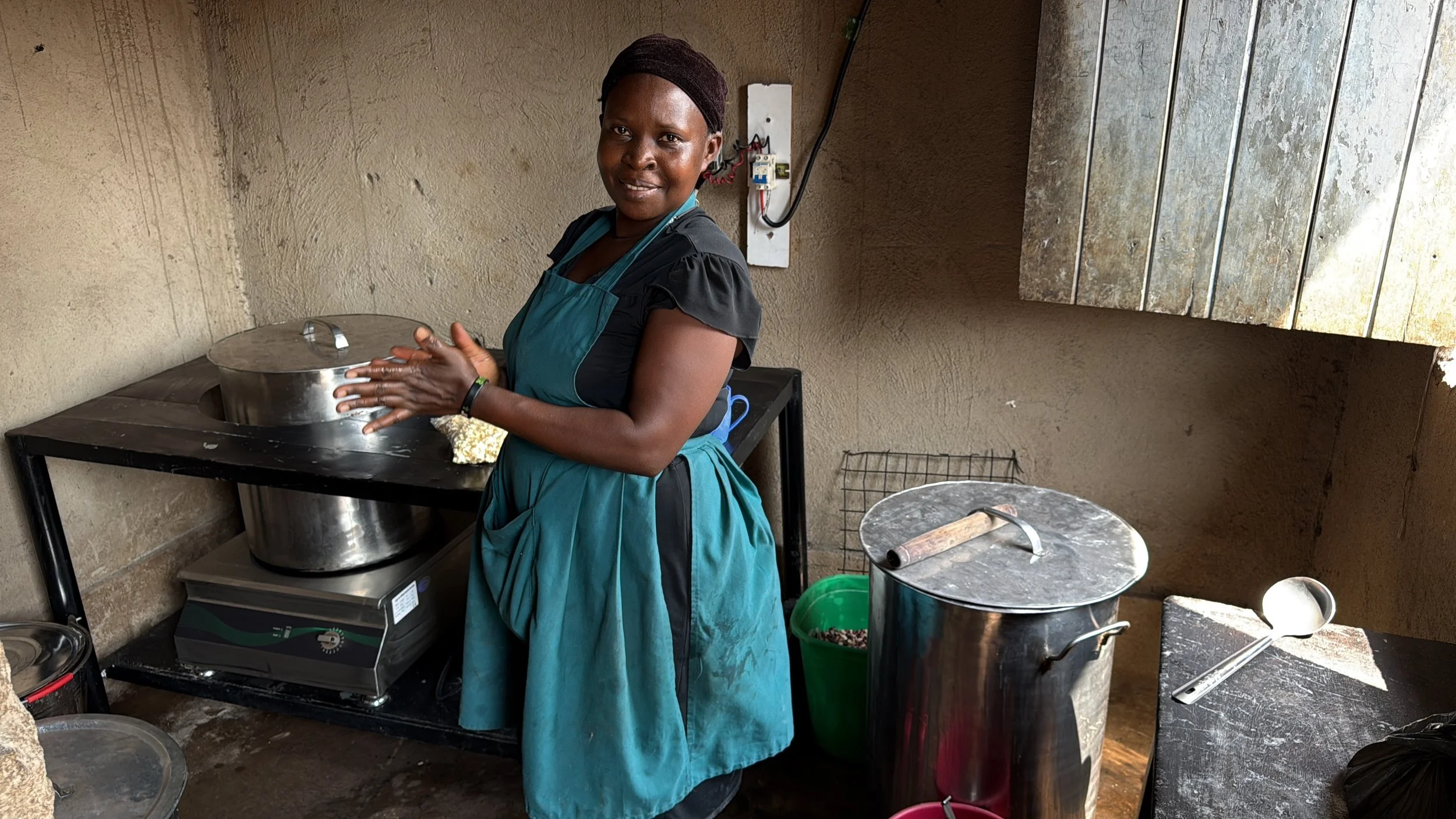
St. Paul Buloba Catholic Primary School was one of the first schools to join our Project Activity “Institutional Improved Cook Stoves for Schools and Institutions in Uganda” registered with both the Clean Development Mechanism and the Gold Standard.

Back in 2016 we found Margaret, their school cook, preparing the children’s daily meals in a basic shelter and using the traditional 3-stone fires.

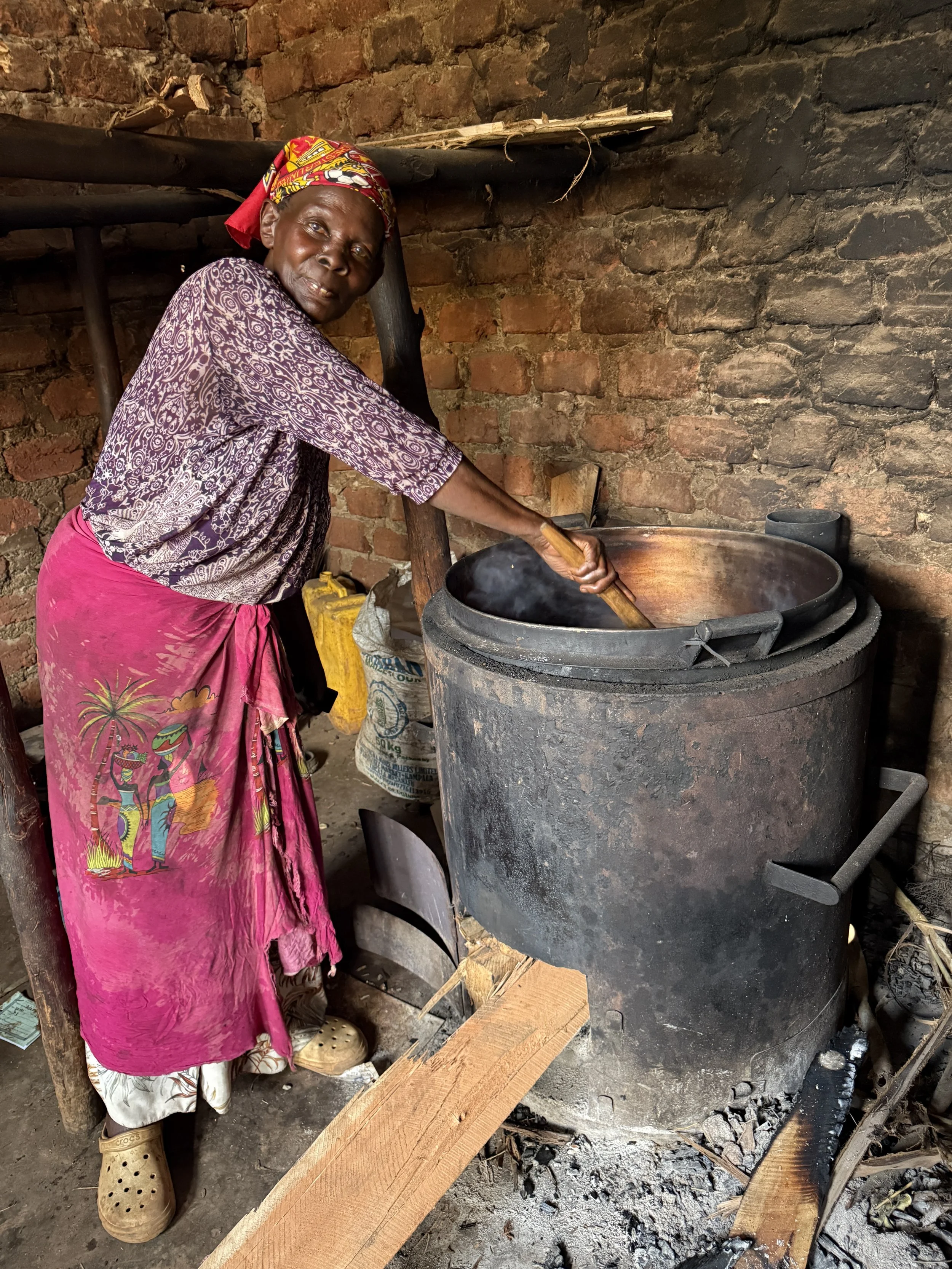
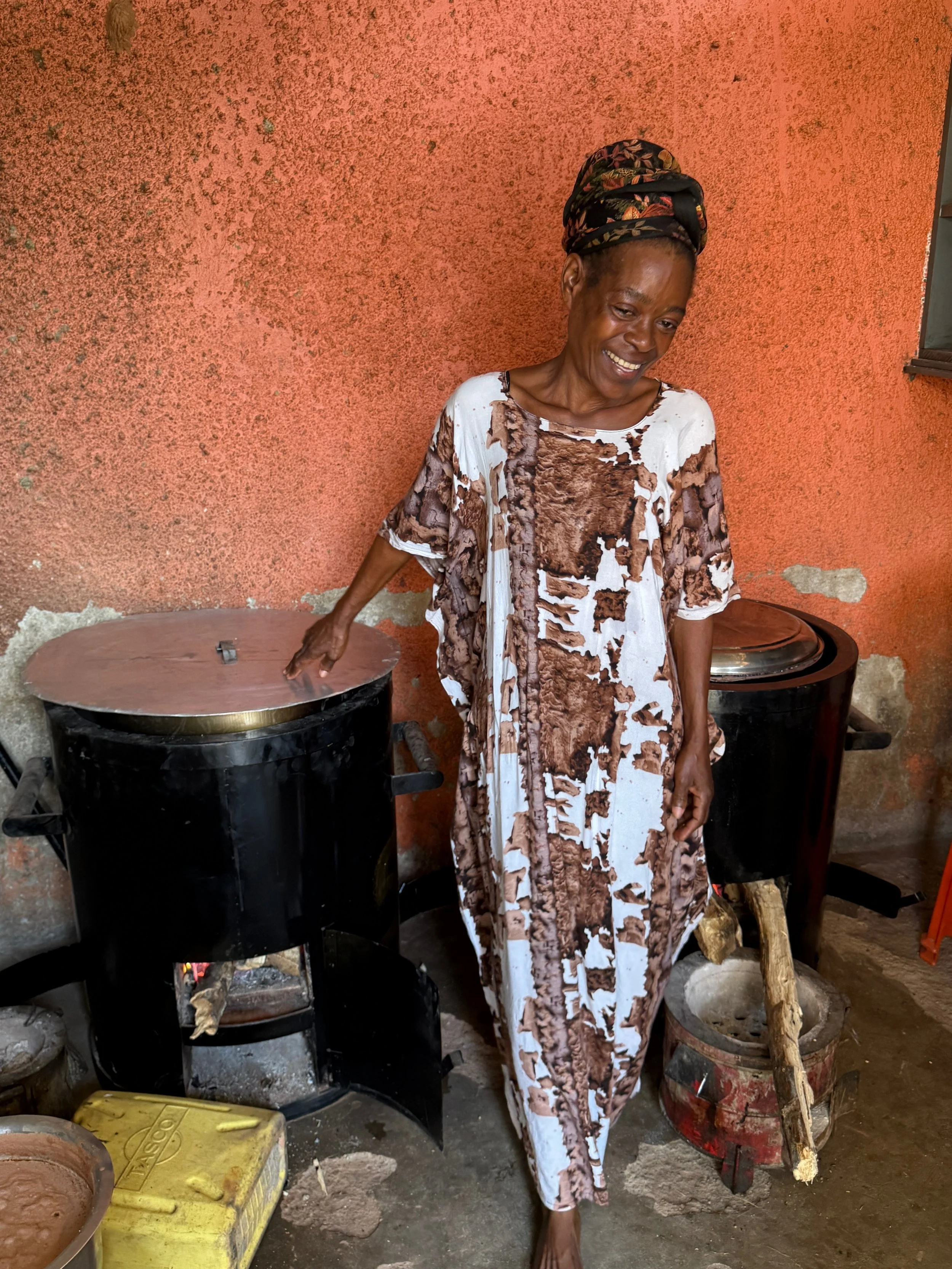
Ten years down the road, it gives us such a unique pleasure to see Margaret still at school, preparing those same meals with the institutional improved cook stoves, and listen to her stories on how her work has become a much better place to be.

What do we mean by a “Smoke Free Kitchen”

1. Literal meaning

It refers to improving cooking conditions so that women (who, in many societies, do most of the cooking) can prepare food without being exposed to harmful smoke from traditional stoves or open fires.

  • 95% of schools in Uganda still cook using firewood in traditional 3-stone fireplaces.

  • Firewood combustion produces thick smoke, which leads to respiratory diseases, eye problems, and pollution indoors.

  • So, a “smoke-free kitchen” means using clean cooking technologies — like LPG, biogas, electric stoves, or improved cookstoves — that make cooking safer and healthier.

In this sense, it’s about public health, women’s welfare, and environmental protection.

2. Symbolic meaning

It can also be understood as a metaphor for progress, dignity, and empowerment.

  • A “smoke-free kitchen” represents freedom from unhealthy, outdated, or oppressive conditions.

  • It symbolizes women’s right to safety, health, and equality in domestic spaces.

  • It can also reflect broader social and economic empowerment — access to modern energy, technology, and education.

So, when someone says “women should be able to cook in a smoke-free kitchen,” they might mean both:

Women deserve the basic right to health and safety in their workplace and their homes, and society must ensure modern, dignified conditions for their daily lives.

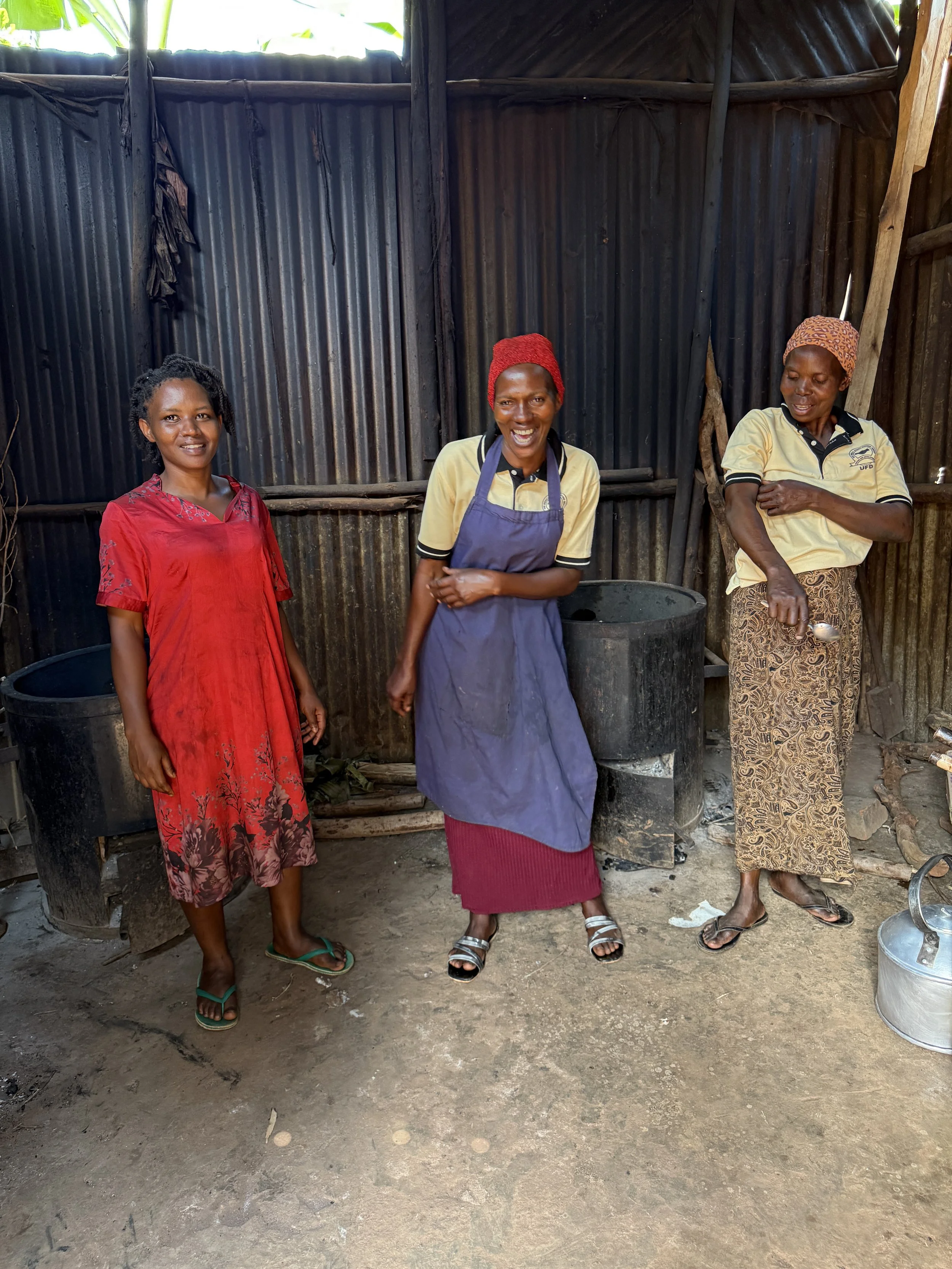
This is what makes us proud at Simoshi when finding the cooks enjoying a safe kitchen environment, using the space to perform other activities in peace, and with big smiles in their faces.

Last Month Of Academic Year

Today we kick-off with the last month of the academic year in Uganda. November marks a demanding time for both teachers and students, as children will soon start sitting for their final exams.

Although the academic calendar year officially ends on Friday 5th of December, end of November is the deadline/goal we use to ensure we have finalised collecting all the necessary information and indicators to close our Monitoring Period (from 01/01/25 until 31/12/25).

November is also busy for our Project Officers, who meticulously inspect the condition of every institutional improved cook stoves (IICS) in the 120 participating schools under the Project Activity. We thoroughly assess the performance of each IICS and prepare for the free repairs that will take place throughout the months of December and January next year.

We ensure that by the time schools open their doors once again in February 2026, each IICS and every school will be ready to start with their cooking activities in the most efficient and effective kitchen environment.

Transitioning to Article 6.4

Simoshi’s Project Activity “Institutional Improved Cook Stoves for Schools and Institutions in Uganda” is registered with both the Clean Development Mechanism (CDM) (10345) and the Gold Standard (GS) (4364).

CDM (Kyoto Protocol, 1997 → operational 2001) was created to help Annex I (developed) countries meet emission targets by financing greenhouse‑gas reduction projects in developing countries, issuing Certified Emission Reductions (CERs). Such framework came to an end in 2020 and was replaced by Article 6.

Article 6.4 keeps CDM’s core idea—internationally transferred mitigation outcomes from projects—but restructures governance, tightens integrity safeguards (additionality, baselines, accounting), requires Nationally Determined Ccontribution’s alignment and corresponding adjustments, and embeds finance for adaptation.

Simoshi’s Project Activity is currently transitioning to the new Article 6.4 framework, the substantive check for such transition was concluded, and is currently for public view on the UNFCCC website here.

Unless a request for review is submitted by the host Party or any member or alternate member of the Supervisory Body by 07 November 2025, the request for transition shall be deemed approved by the Supervisory Body, in accordance with paragraph 41 of the latest version of the “Procedure - Transition of CDM activities to the Article 6.4 mechanism”.

Multitasking Falls Short

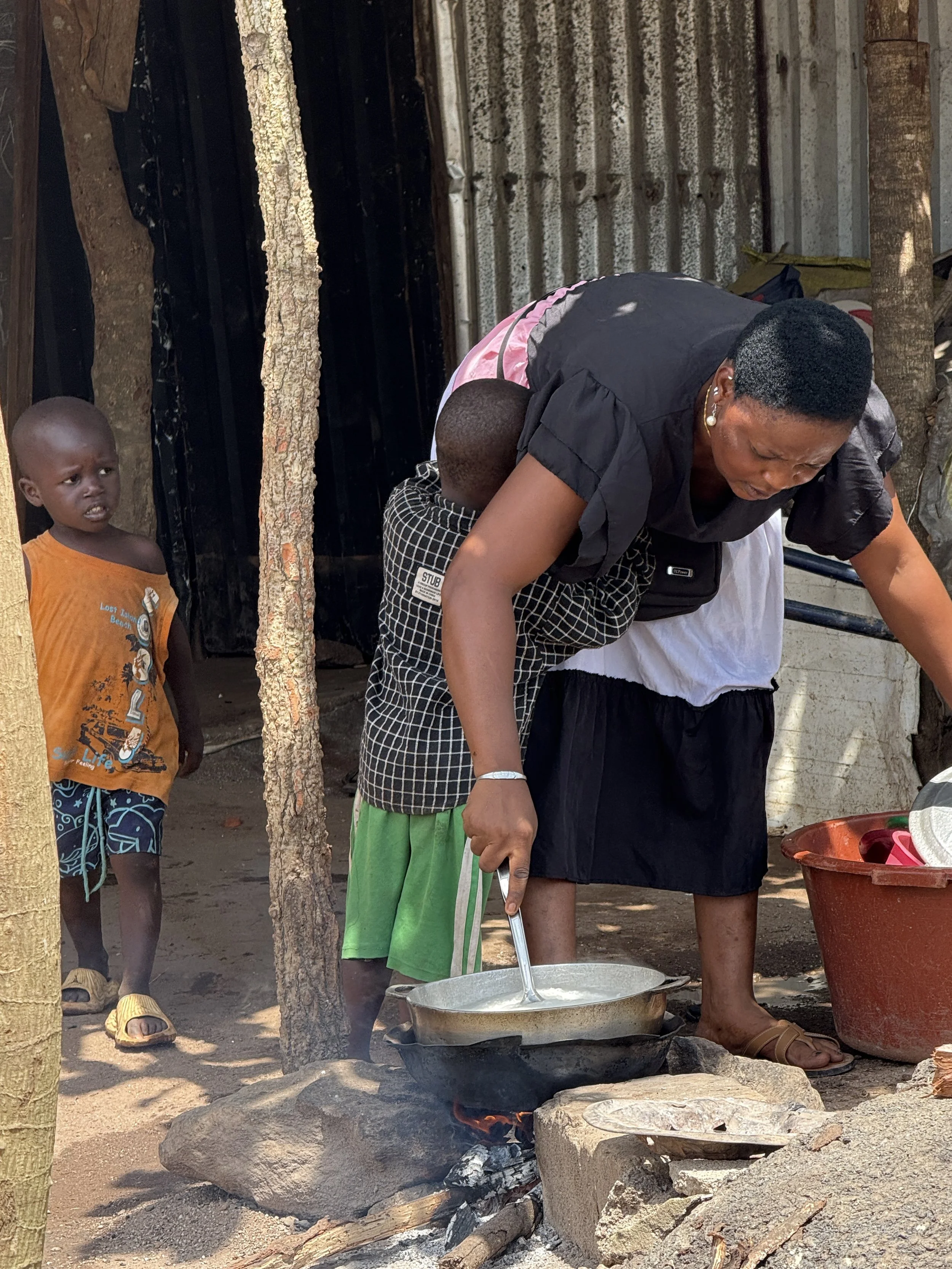
Women are the real example of resilience, power, and stamina. This image captures the amazing daily life of a woman on this part of the world.

Handling several activities simultaneously - you can see her cooking with one hand, handling clean dishes with the other hand, comforting her child with her body and heart.

She still manages to stay calm, despite all the difficulties encountered when cooking with an open 3 stone fireplace. Respect for all women who still manage to keep a smile on their face, no complaints, and raise their children with whatever resources they have.

The Beans In The School Menu

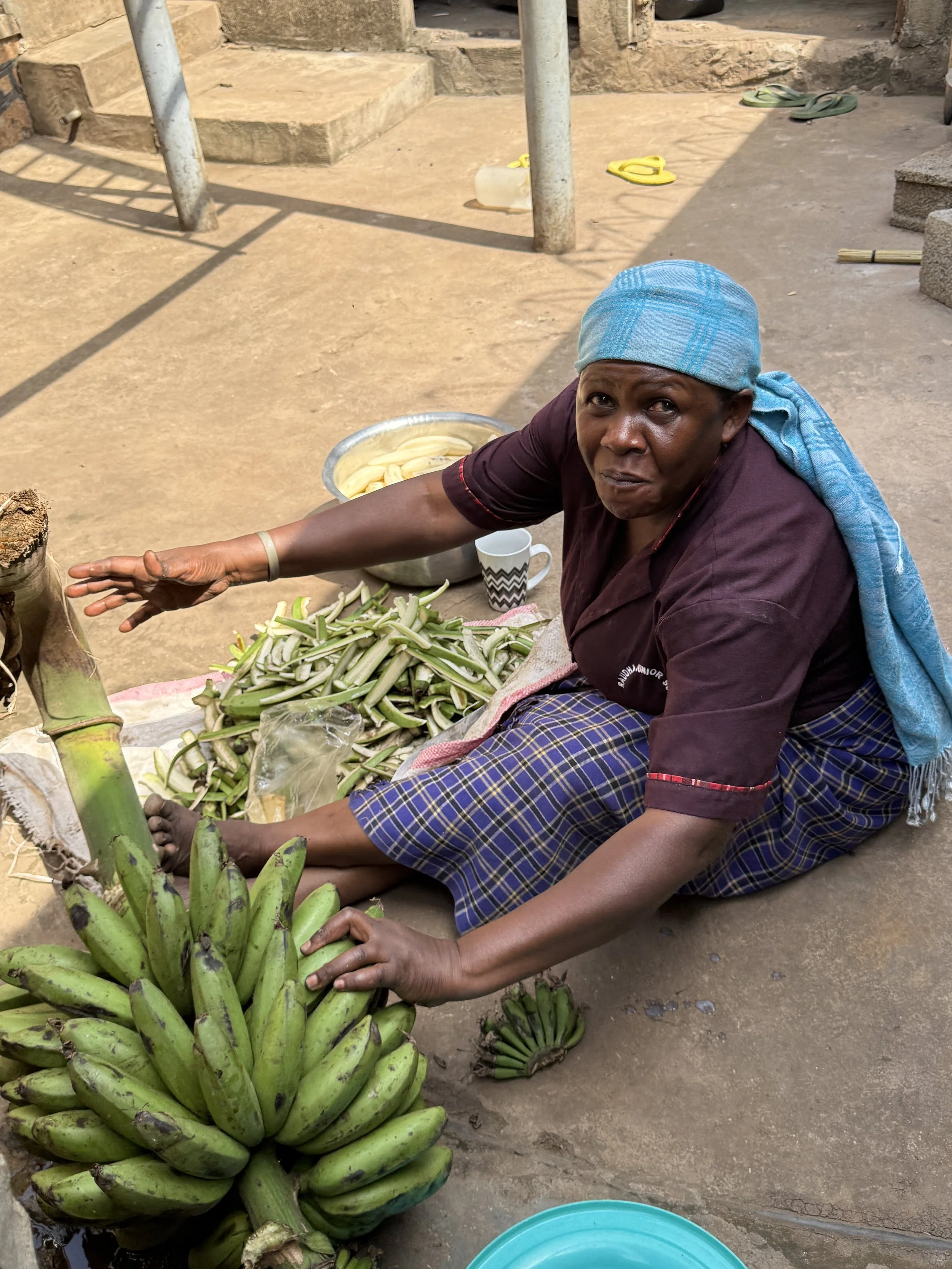
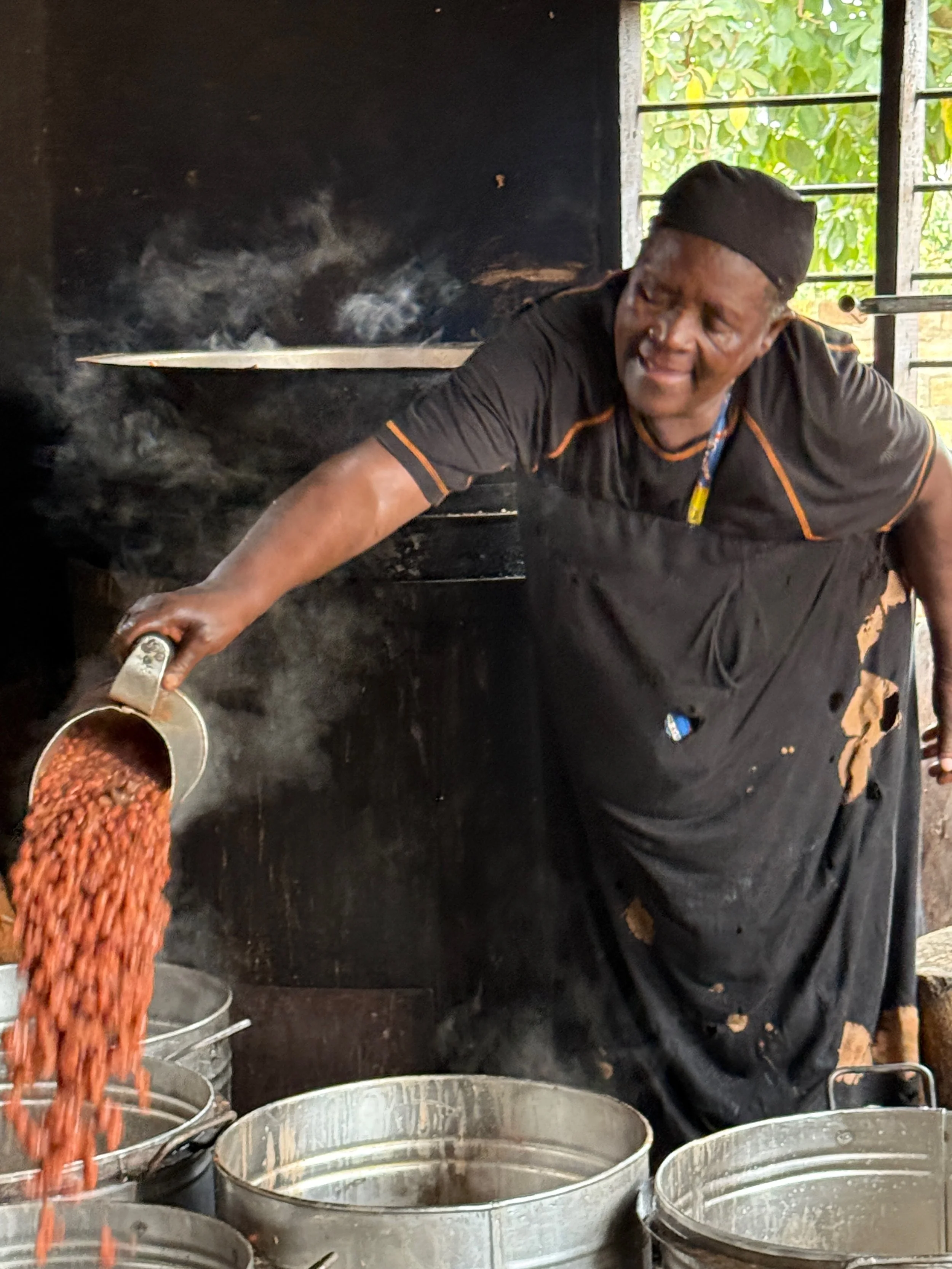
In Ugandan schools, beans are a common part of the school meals and are widely consumed by students. They are a good source of protein, carbohydrates, and essential nutrients, which help support the students' growth and learning. The government and various NGOs often promote the cultivation and consumption of beans as part of efforts to improve nutrition and food security in schools.

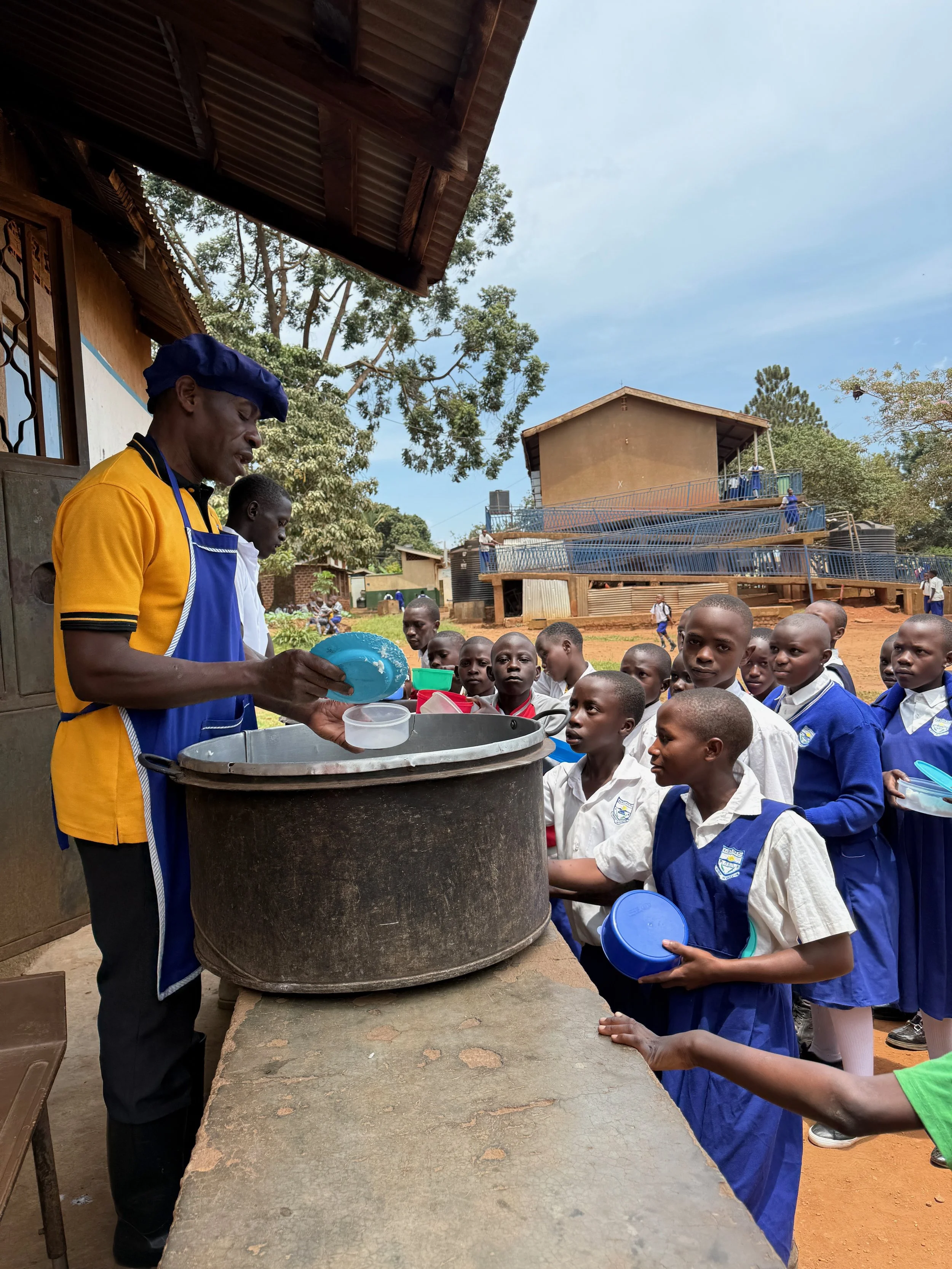
Children usually complain about the school meals because mostly every day of the week beans are served together with “posho”, the maize meal dough.

Nevertheless, beans are highly nutritious and offer several benefits:

  1. High Protein Content: Beans are an excellent source of plant-based protein, which is essential for growth, muscle development, and overall health.

  2. Rich in Fiber: The dietary fiber in beans aids in digestion, helps prevent constipation, and promotes a feeling of fullness, which can improve students' concentration and energy levels.

  3. Vitamins and Minerals: Beans are packed with important nutrients like iron, magnesium, potassium, folate, and B-vitamins, which support various bodily functions and boost immune health.

  4. Low in Fat: Beans contain very little fat, making them a healthy option for maintaining a balanced diet.

  5. Helps in Managing Blood Sugar: The complex carbohydrates in beans have a low glycemic index, helping to regulate blood sugar levels.

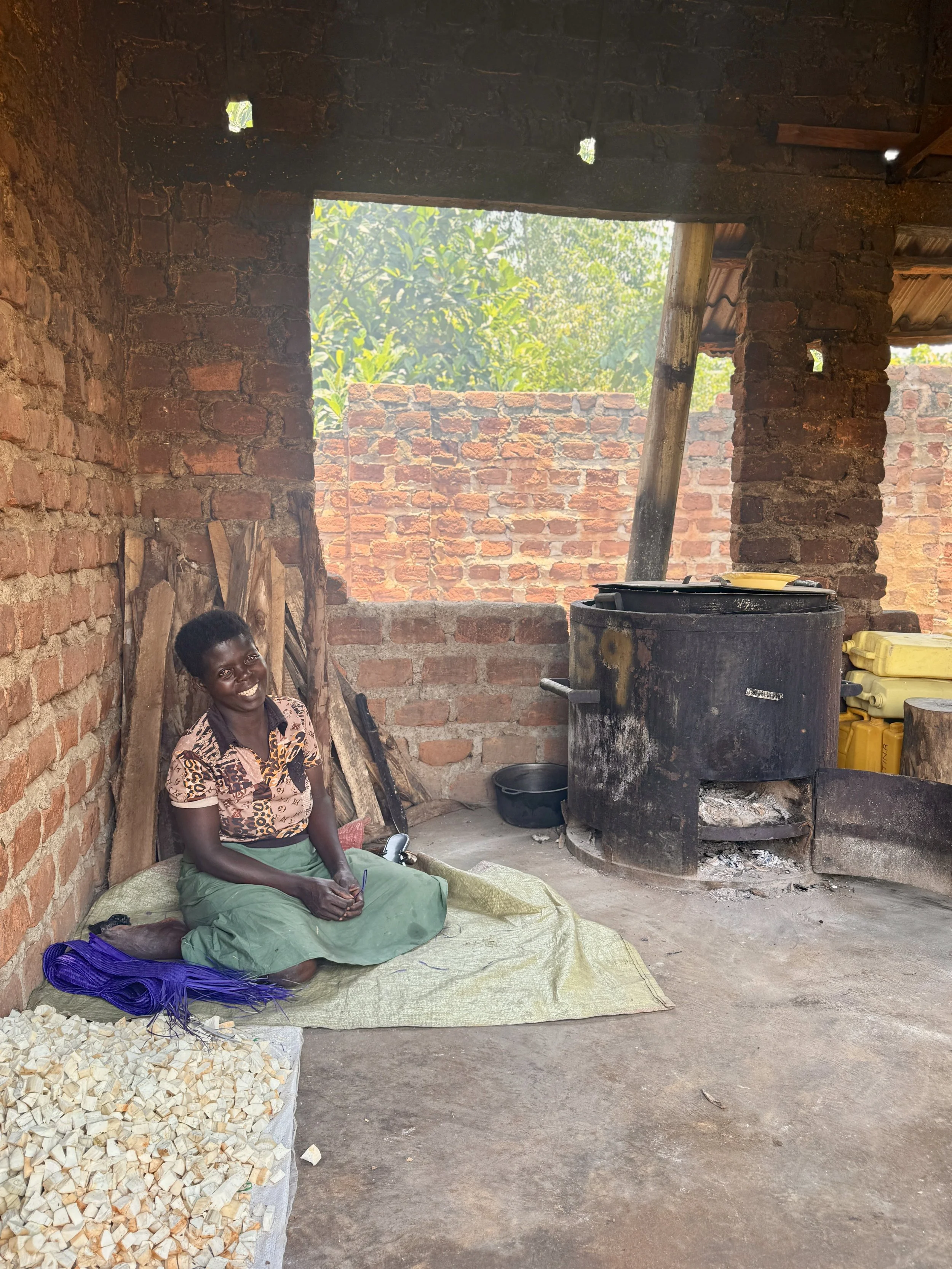
Some schools might afford an extra item on the menu, and could mix either greens or cassava in the beans soup, making it really tasty!

Overfilling Saucepans

We always like to share some of the most common mistakes or problems found in the school kitchens.

Today we talk about using the wrong size of saucepan. Sometimes, schools increase their population, with the amount of food also increasing in the same proportion.

This means the capacities of the saucepans used are not appropriate, and the school would need to either buy a bigger institutional improved cook stove (IICS), or they can enlarge the current saucepan used - while they look for funds to make a new purchase.

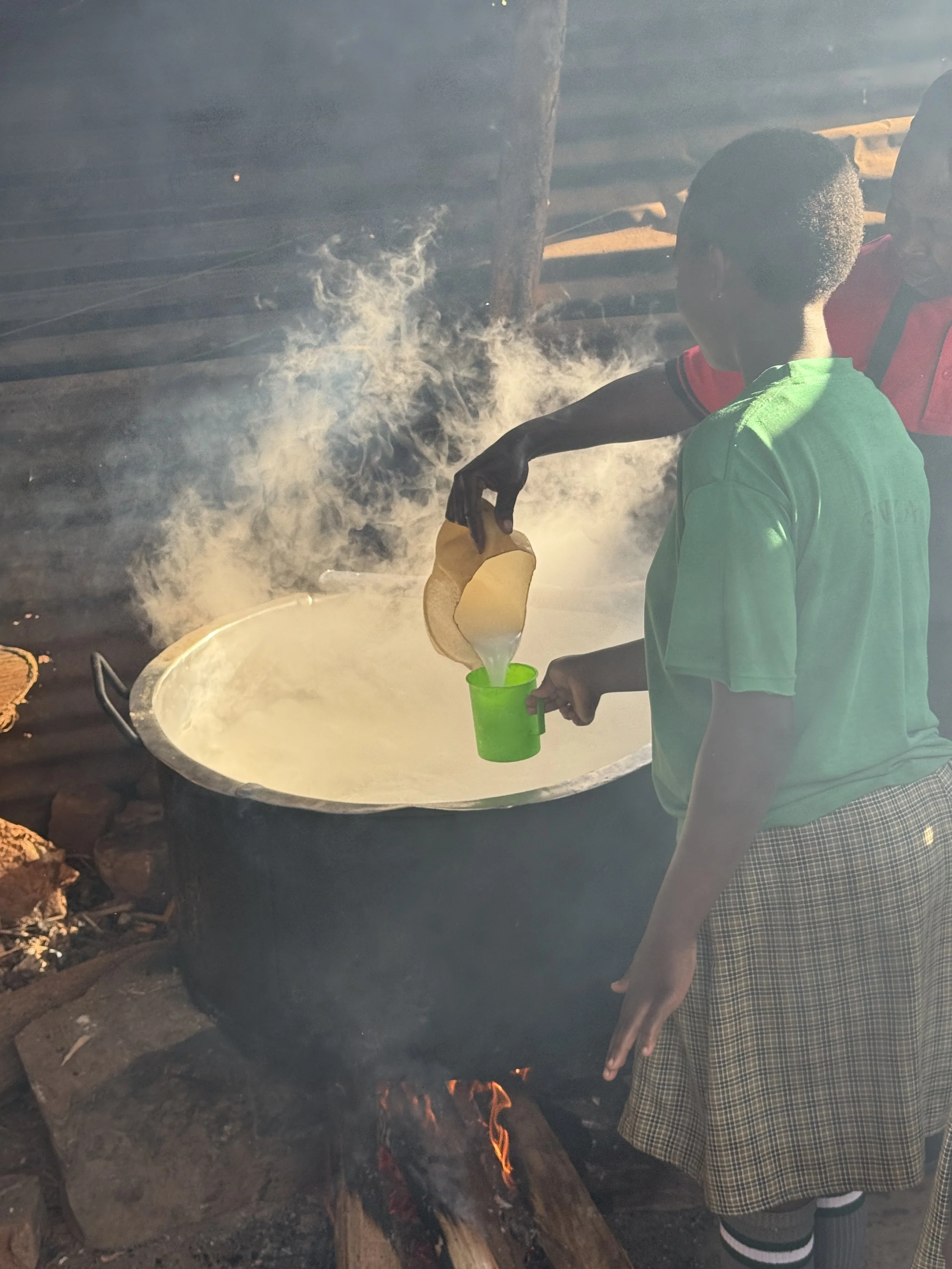
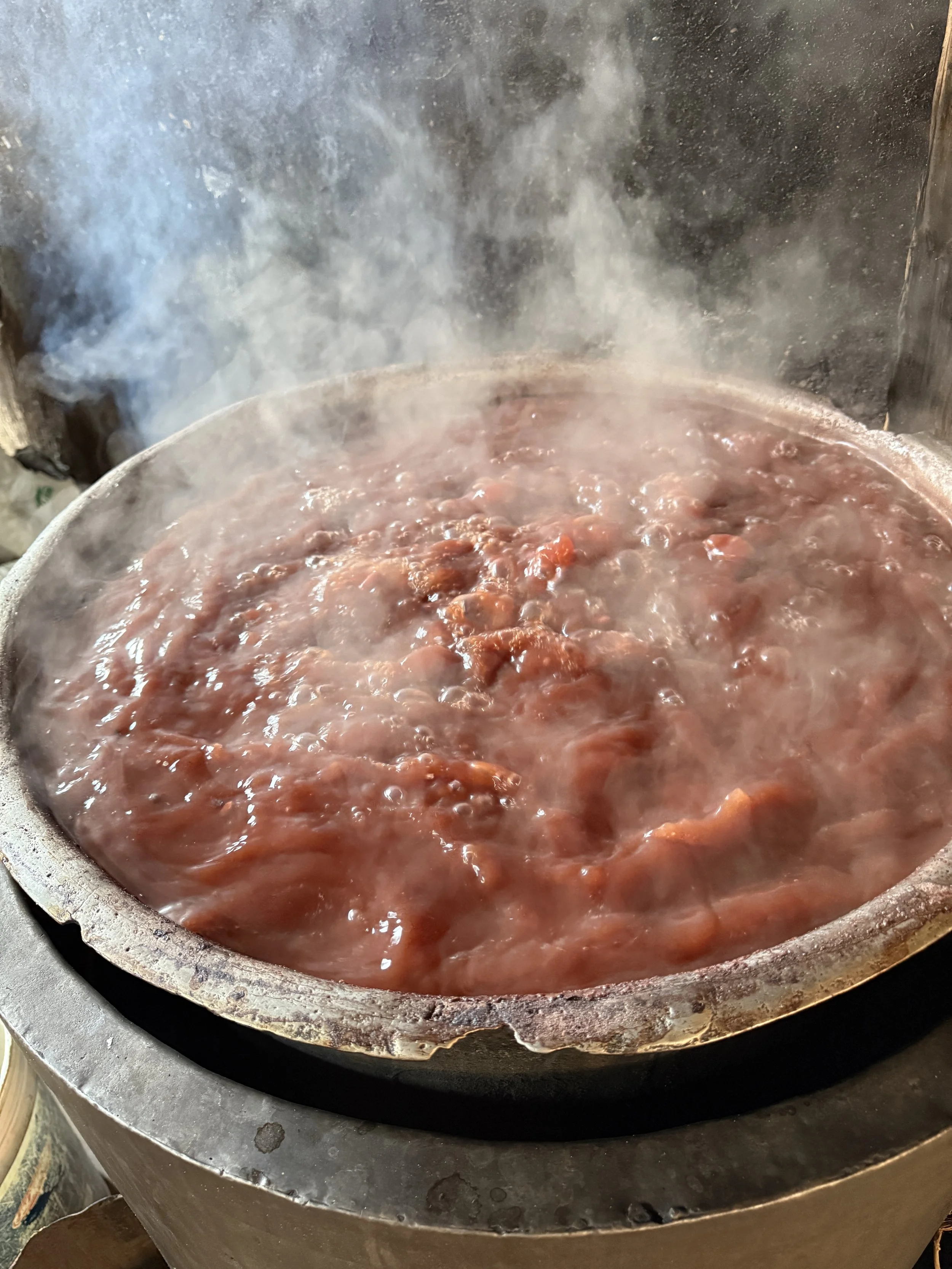
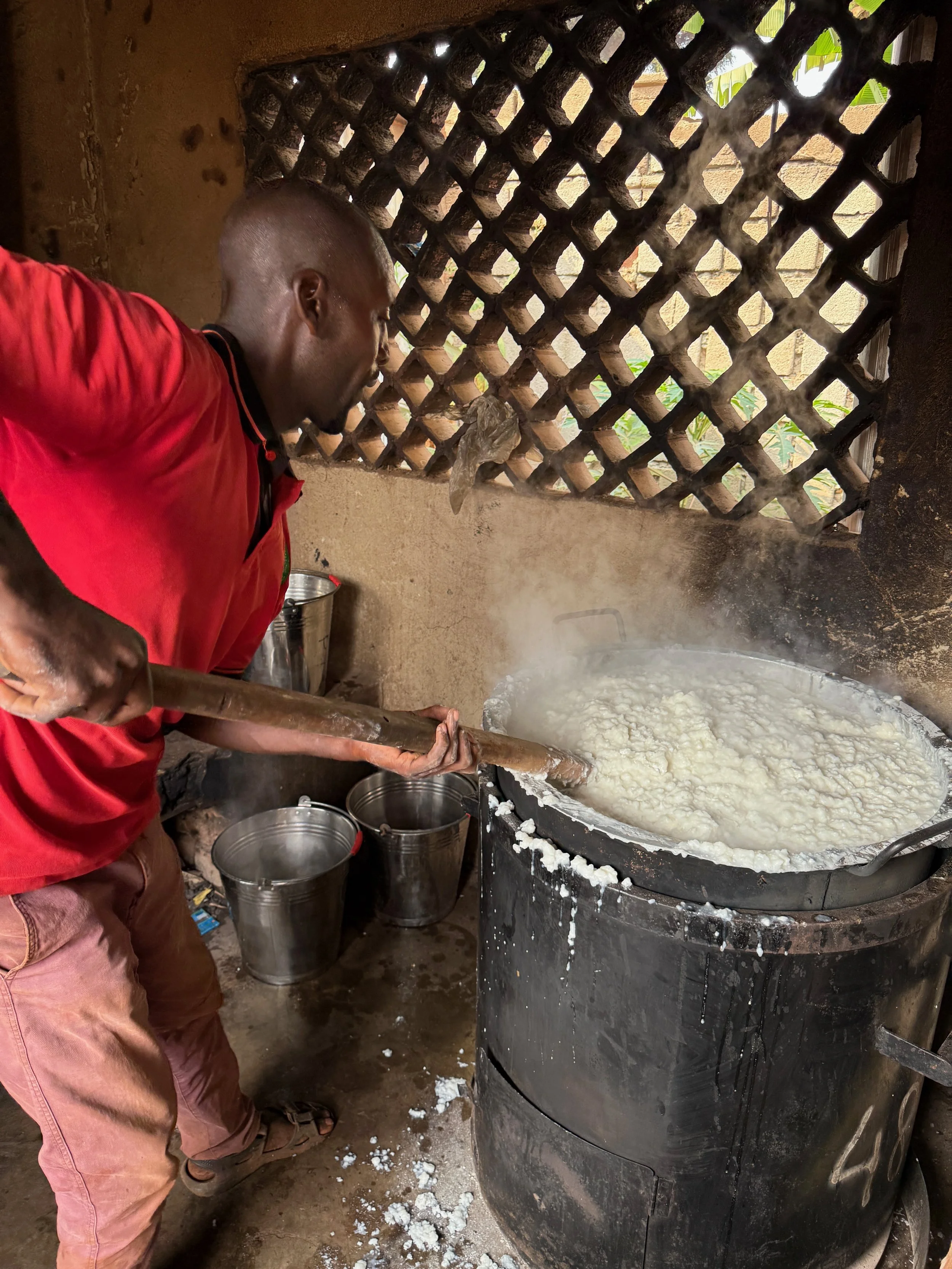
Action needs to be taken fast, because when using a saucepan that it is overfilled on a daily basis, food has salt and will damage and corrode the IICS combustion chamber. We always train and monitor cooks to ensure they leave 1/3 of their saucepan capacities free to allow for the food not to spill outside when boiling.

We share a picture here below with the typical mistake we find with the cooking of beans, you can see how this saucepan has now become small and the soup reaches all the way to the top.

Bad Storage Practice

We usually find schools storing their firewood inside the kitchen, right behind the institutional improved cook stoves (IICS). Cooks believe that as stoves get hot, the firewood will dry much faster.

Nevertheless keeping firewood inside a kitchen (or any enclosed living space) can be risky for several reasons:

  • Pests: Firewood often harbors insects, spiders, or even rodents that can spread inside the house.

  • Mold and fungi: Damp or unseasoned wood can release spores and contribute to poor indoor air quality.

  • Dust and dirt: Wood sheds bark, dust, and debris that can make a kitchen harder to keep clean.

  • Safety hazards: Storing too much wood indoors increases the risk of fire if it’s kept too close to stoves or other heat sources.

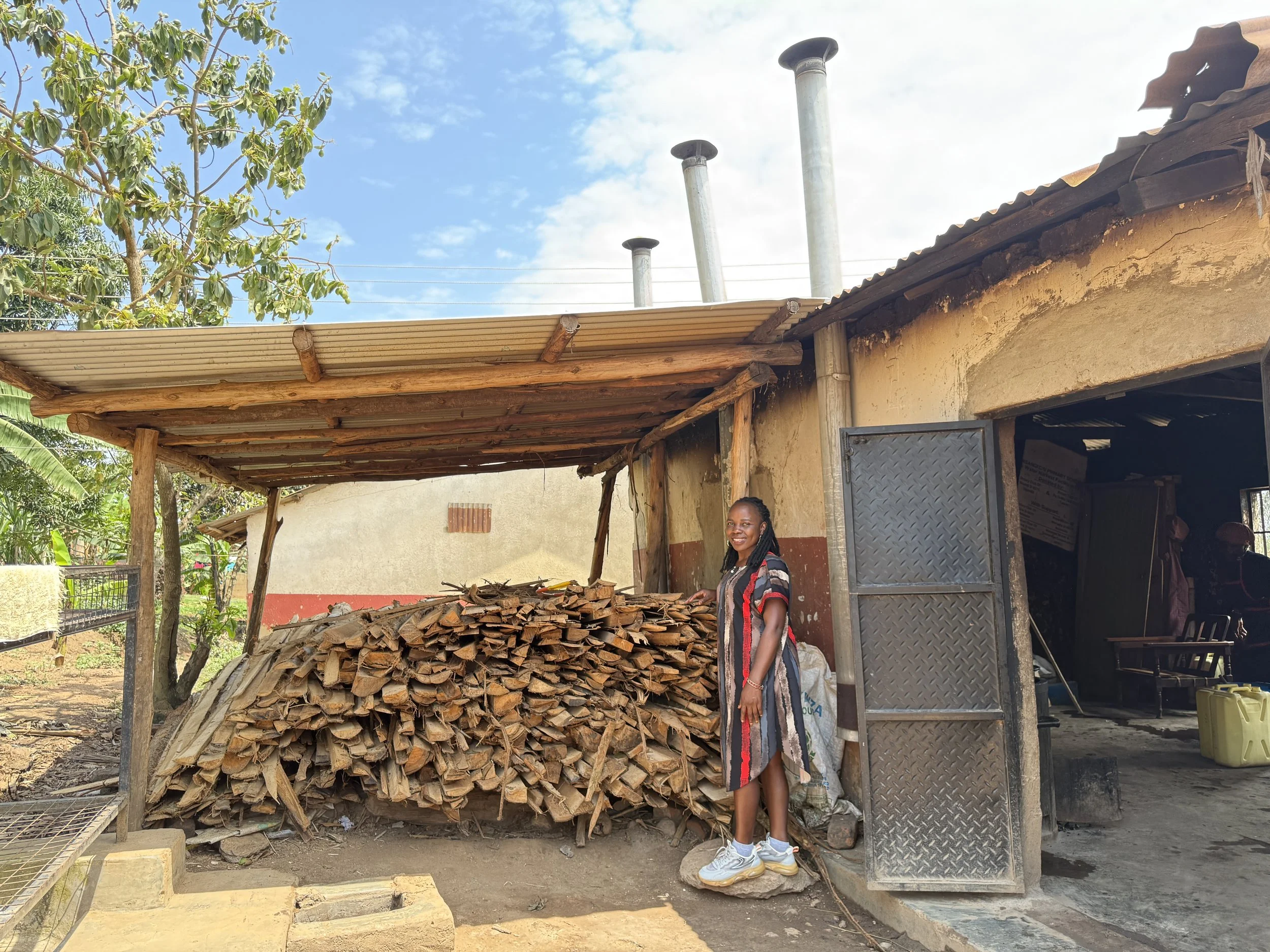
This is why as part of our training sessions and monitoring visits, we try to implement better practices, such as keeping firewood stored outside in a dry, well-ventilated place (like a wood shed), and only bring in a small amount at a time as needed.

Last Term Begins

School term III has officially begun yesterday, and it is the last and most significant term of the year, as students are busy getting ready to sit for their final exams.

As per the government school calendar, the last day of school for 2025 will be held on Friday 5 December. And the long awaited holidays will commence for two full months. The new school year will begin on Monday 2 February 2026.

In the meantime, Simoshi’s Project Officers are busy in the school kitchens checking the optimal and most efficient operation of the institutional improved cook stoves (IICS).

During the first week of the term, enrollment slowly builds up, therefore the amount of food cooked is less. As such, it is important to highlight the need to always use the correct size of saucepan on each IICS, as cooks have the tendency to use smaller ones, causing damages to the combustion chambers.

This is one of the main recurring problems we see in the cooking behavior, and we put a lot of emphasis on this training topic right at the start of the term, to ensure smoke also reduces inside the building, otherwise the smaller saucepan sizes cannot push the smoke through the chimney pipes.

Allocating Funds: When Is It The Right Time?

For the past two years, several international donors have come into the space of electric cooking transition in Sub-Saharan African countries, with the aim to support governments and projects upscale the transition to cleaner fuels. This current year has seen a special interest to include schools into the picture.

Right now, there is an open call for proposals from MECS with funds from the British High Commission. They have identified 143 schools across Uganda, with the aim of supporting their cooking transitions with electric cooking appliances.

Donor money can significantly improve the efficacy of interventions aimed at changing cooking habits in Ugandan schools by enabling several targeted strategies:

  1. Provision of Resources: Funding can supply improved, energy-efficient cooking stoves, clean cooking fuels, and necessary utensils, making it easier and safer for schools to adopt new cooking practices.

  2. Training and Education: Donor funds can support training for school staff and students on healthy, efficient, and environmentally friendly cooking methods, fostering behavioral change.

  3. Infrastructure Development: Investments in kitchen and sanitation infrastructure can create a supportive environment for sustained healthy cooking habits.

  4. Monitoring and Evaluation: Funding allows for regular assessment of the impact of interventions, helping to refine strategies and ensure goals are met effectively.

  5. Community Engagement: Resources can facilitate outreach programs involving parents and local communities, reinforcing behavioral change beyond schools.

  6. Incentives and Support: Financial incentives or ongoing technical support can motivate continued adherence to improved cooking practices.

Nevertheless, although allocating donor funds into these areas in schools can become a game-changer, strategically for Simoshi this is not the right time to make an application. Understanding the behavioural change involved, the right technology chosen that can sustain that change in the long run takes time to test different approaches until the right way forward has been agreed. And that means collaborating with the schools to better understand their needs and ability to pay for all the costs involved, and how those might be offset.

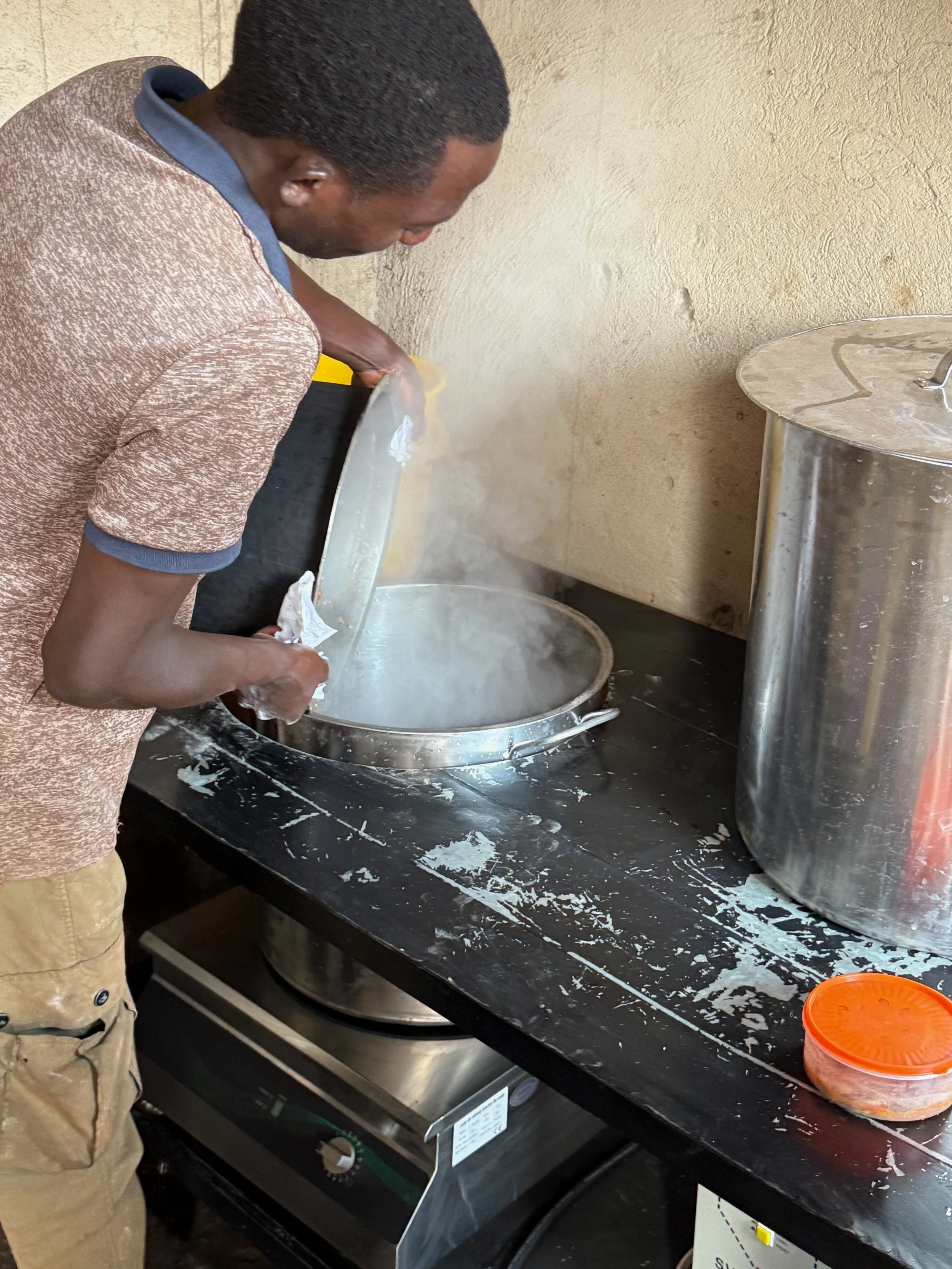
That is why throughout 2025 Simoshi has been testing induction cookers in two schools that have already been supported for the past five years in their cooking transitions moving away from traditional 3-stone fires to energy efficient cook stoves.

Leading to healthier habits, environmental benefits, and improved educational outcomes is a serious matter, and at Simoshi we do not take such matters lightly. We have been supporting over 100 schools for the past 10 years, and we want to succeed in their cooking journeys as they move up the energy ladder. We are excited for the years to come, as we are successfully testing induction cookers of different capacities. All costing models are looking bright, as the Ugandan government has also announced a need school cooking tariff that makes electricity the most competitive cooking fuel in the country.

We look forward to collaborating with the right donor, when the time is right, as we make sure that everyone involved is in this partnership for the good and long lasting reasons: see schools succeed with their kitchens!

Colleagues Go Electric

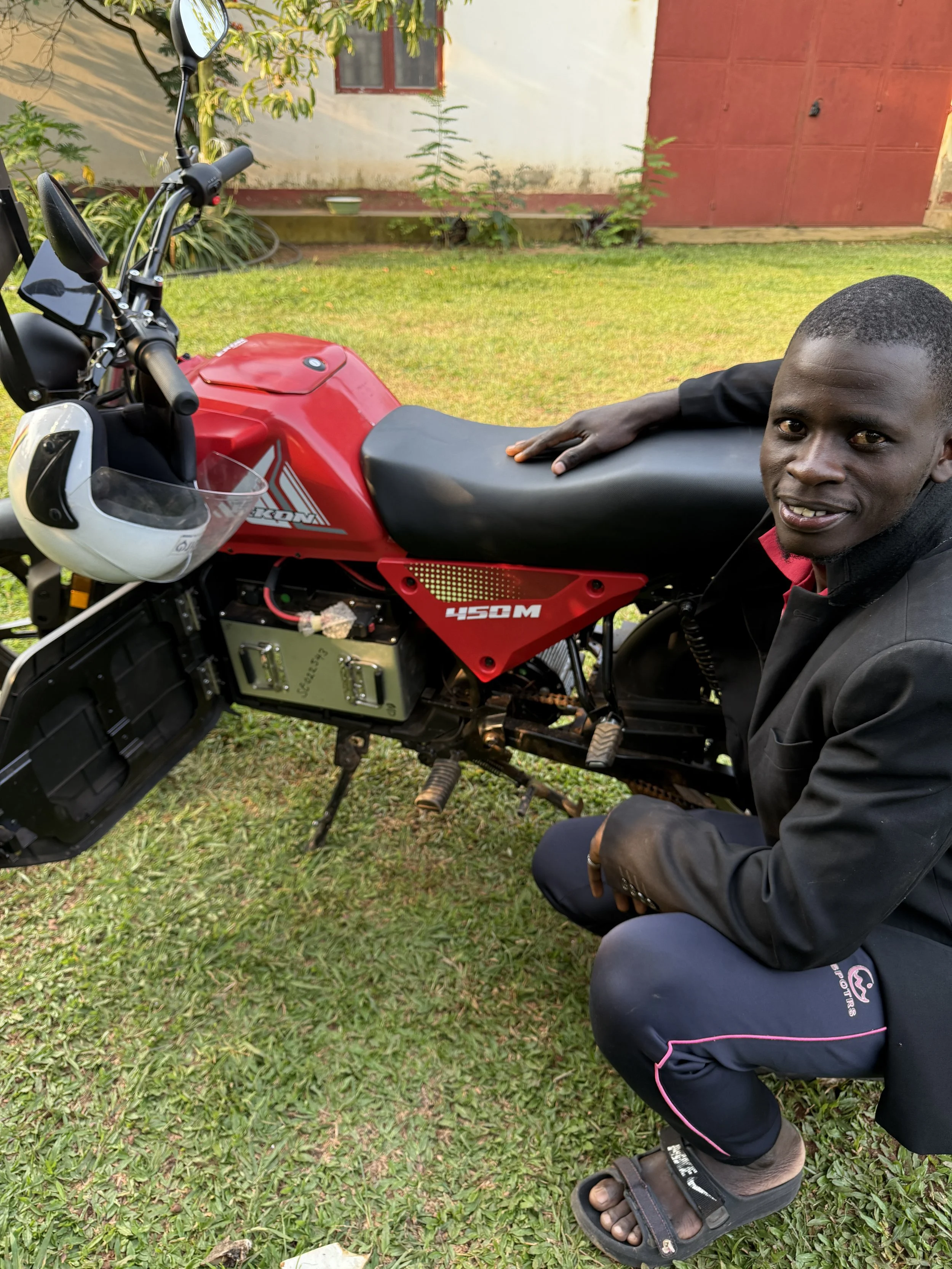
Electric bikes (e-bikes) are starting to gain attention in Uganda, and they can bring several economic, environmental, and social benefits. We are very proud to see one of our colleagues, Kabogooza, who supports Simoshi with all institutional Improved cook stoves (IICS) maintenance, recently purchased an electric bike from Spiro.

Spiro is a fast-growing electric mobility company operating in several African countries (Uganda, Kenya, Benin, Togo, Rwanda). They focus on electric motorcycles (e-bodas) and are expanding their charging/swapping infrastructure across Uganda. Kabogooza got the bike on lease-to-own, paying UGX 10,000 daily - equivalent to approximately USD 2.80.

We are proud to see our colleagues contributing towards global warming and climate change. No tailpipe pollution, which helps cut down on air pollution in towns like Kampala and Entebbe. This supports Uganda’s green energy transition, especially since the country’s electricity grid is largely powered by hydropower.